

Sustainability · 2025
In this section51 topics
- Sustainability Policy4 items
- Sustainability Goals & UN SDGs4 items
- Policy Review3 items
- Business Value Chain1 item
- Stakeholder Analysis2 items
- Environmental Sustainability — Overview2 items
- Environmental Policy & Guidelines4 items
- Environmental Policy Review3 items
- Energy Management — Overview1 item
- Energy — Plan & Guidelines2 items
- Energy — Electricity Consumption2 items
- Energy — Fuel Consumption2 items
- Energy — Targets2 items
- Energy — Performance & Outcomes2 items
- Water — Plan & Guidelines3 items
- Water — Withdrawal, Discharge & Consumption2 items
- Water — Targets3 items
- Water — Performance & Outcomes2 items
- Waste — Plan & Guidelines3 items
- Waste — Generation, Disposal & Recycling2 items
- Waste — Targets3 items
- Waste — Performance & Outcomes2 items
- GHG — Plan & Guidelines3 items
- GHG — Emissions2 items
- GHG — Emissions Verification2 items
- GHG — Principles & Standards2 items
- GHG — Targets1 item
- GHG Targets — Net Zero2 items
- GHG — Performance & Outcomes3 items
- Environmental Legal Incidents1 item
- Social Policy & Guidelines4 items
- Social Policy Review1 item
- Social — Principles & Standards Practised2 items
- Human Rights Due Diligence3 items
- Employees — Plan & Guidelines4 items
- Employees — Workforce3 items
- Employees — Remuneration & Provident Fund2 items
- Employees — Training & Development2 items
- Employees — Occupational Health & Safety2 items
- Employees — Labour Relations2 items
- Employees — Employee Representation2 items
- Employees — Targets2 items
- Employees — Performance & Outcomes2 items
- Customers — Plan & Guidelines3 items
- Customers — Satisfaction Results2 items
- Customers — Targets1 item
- Customers — Performance & Outcomes3 items
- Community & Social — Plan & Guidelines3 items
- Community & Social — Targets3 items
- Community & Social — Performance & Outcomes2 items
- Law Violation Incidents1 item
Sustainability Policy
Has a Sustainability Policy
Yes
Policy Description
HaadThip Public Company Limited is committed to being a leader in the beverage industry by aligning its operations with sustainable development principles. The Company prioritizes the interests of all stakeholder groups, focusing on capacity building, transparency, and adherence to internationally recognized management frameworks. This approach enables the organization to adapt to evolving market trends while ensuring the collective benefit of all stakeholders across the entire supply chain. Haadthip operates within the Environmental, Social, and Governance (ESG) framework and actively supports the United Nations Sustainable Development Goals (SDGs), aiming to deliver tangible and measurable outcomes. The Company emphasizes the efficient and responsible use of natural resources, in alignment with the Circular Economy model and the national sustainability strategy. Furthermore, it has set ambitious sustainability targets, including the goal of achieving net-zero greenhouse gas emissions.
Policy Document Link
https://www.haadthip.com/th/sustainability/vision-and-commitment
Page Number in Report
1
Sustainability Goals & UN SDGs
Introduction
HaadThip Public Company Limited is committed to conducting its business in accordance with sustainability principles, striving to maintain a balanced approach between economic growth, environmental stewardship, and social development. In the current year, the Company has further strengthened its sustainability goal-setting process to ensure greater clarity, systematic execution, and tangible linkage to its overall corporate strategy. These efforts are implemented under the framework “HaadThip Together for Good” which reflects the Company’s long-term commitment to creating shared value with stakeholders across the entire value chain.
The Company’s sustainability management goals encompass two core missions:
"Homeland Uplifting" - covering social cohesion, community development, and crisis response and resilience.
"Global Citizenship" - covering emissions reduction, packaging management, and water stewardship..
To ensure effective implementation, the Company has established sustainability targets with clearly defined timeframes, enabling systematic monitoring, performance evaluation, and transparent progress reporting. This structured approach supports the delivery of tangible sustainability outcomes while responding to evolving stakeholder expectations and changes in the business environment, regulatory landscape, and international standards. Collectively, these efforts reinforce the Company’s long-term competitiveness and resilience, underpinning sustainable organizational growth in a disciplined and forward-looking manner.
Has Sustainability Goals
Yes
Goals Description
Through "Homeland Uplifting", HaadThip is committed to enhancing quality of life, strengthening community resilience, and creating shared value across Southern Thailand and other parts of the country. Key initiatives under this mission include:
Advancing sustainable community water management initiatives, promoting access to safe water for domestic consumption, with a target to benefit more than 15,000 households by 2030.
Supporting skills development and expanding opportunities for youth and economically disadvantaged groups, with a cumulative target of at least 35,000 beneficiaries by 2030, contributing to long-term improvements in livelihoods and social well-being.
Through "Global Citizenship", HaadThip focuses on minimizing environmental impacts arising from its operations while promoting efficient resource use across the value chain. Key objectives include:
Emissions Reduction
Achieve Net Zero greenhouse gas emissions target by 2050.
Reduce organizational greenhouse gas emissions by 23% by 2030, compared to the 2023 base year.**
Increase the share of renewable energy use across operations to at least 20% by 2030.
Packaging Management****
Increase the proportion of recycled content in primary packaging to at least 50% by 2030
Implement post-consumer packaging collection and recycling initiatives covering 100% of packaging sold to the market by 2030.
Water Stewardship
Reduce water use intensity in the production process to no more than 1.50 liters per liter of beverage produced (L/Lbev) by 2030.
Replenish water to communities and natural ecosystems in volumes equal to or greater than the amount used in beverage production.
**The Company has reviewed its greenhouse gas emissions reduction target for 2030 and adjusted both the reduction pathway and the base year, in order to ensure that the carbon assessment boundary reflects greenhouse gas emissions arising from activities across the company’s entire value chain, covering Scope 1, Scope 2, and Scope 3 emissions.
****The Company is currently reviewing its packaging management targets to ensure alignment with its business strategy, supply chain readiness, and the specific operating context of Thailand. This review aims to support the development of a sustainable circular packaging system that is practical to implement and delivers long-term positive environmental impacts.
UN Sustainable Development Goals
| SDG Goal |
|---|
| Goal 6 Clean Water and Sanitation |
| Goal 6 Clean Water and Sanitation |
| Goal 7 Affordable and Clean Energy |
| Goal 7 Affordable and Clean Energy |
| Goal 8 Decent Work and Economic Growth |
| Goal 11 Sustainable Cities and Communities |
| Goal 12 Responsible Consumption and Production |
| Goal 12 Responsible Consumption and Production |
| Goal 13 Climate Action |
| Goal 13 Climate Action |
Policy Review
Policy Reviewed This Year
Yes
Policy Changed This Year
Yes
Review Details
During the past year, HaadThip Public Company Limited further strengthened its sustainability policy framework and management goals by formally adopting an enhanced sustainability operating framework under the concept of "HaadThip Together for Good." This updated framework reflects the Company’s commitment to creating long-term shared value alongside balanced business growth.
The revision represents a structured evolution from the previous approach, with clearer organization and stronger linkage to the Company’s corporate strategy. The sustainability framework is now articulated through two core missions: Homeland Uplifting and Global Citizenship, providing a more defined direction for sustainability governance, target-setting, performance monitoring, and transparent reporting.
Through the mission of "Homeland Uplifting", the Company has established three key social pillars: strengthening social cohesion, community development, and crisis response and resilience. These pillars are designed to enhance quality of life, foster unity, and build adaptive capacity within communities, particularly across the 14 provinces in Southern Thailand where the Company operates as the Coca-Cola bottler and distributor.
Through the mission of "Global Citizenship", the Company has defined three environmental pillars: greenhouse gas emissions reduction, sustainable packaging management, and water stewardship. These pillars ensure that environmental management is guided by clear, measurable targets and aligned with evolving climate-related challenges, responsible resource use, and emerging regulatory expectations.
Business Value Chain
Value Chain Description
HaadThip Public Company Limited places strong emphasis on the comprehensive management of its business value chain, encompassing raw material sourcing, supplier selection and management, manufacturing processes and technology development, logistics and product distribution, marketing and sales, post-consumer packaging management, as well as human capital and community development. These activities are conducted under a value chain management approach that prioritizes efficiency, transparency, accountability, and sustainability across the entire value chain.
To ensure effective assessment and management of impacts across the value chain, the Company adopts a life cycle perspective as a guiding framework for analyzing and continuously improving its operational processes from raw material sourcing and production, through transportation and consumption, to post-consumer packaging management. Within this framework, Life Cycle Assessment (LCA) is applied to support the evaluation of environmental impacts related to resource use, waste generation, and greenhouse gas emissions, while Social Impact Assessment (SIA) and stakeholder engagement processes are used to consider social impacts associated with operations, supply chain activities, and community-related initiatives. These approaches allow the Company to be able to systematically identify material environmental and social impact areas and strengthen long-term value creation in collaboration with its stakeholders.
Business value chain
1. Raw Material Sourcing and Supplier Selection:
HaadThip conducts its procurement activities with due consideration for product quality, cost efficiency, and environmental, social, and governance (ESG) standards in parallel, in order to manage supply chain risks and promote sustainable sourcing practices.
Selects raw materials that meet quality and safety standards to ensure product safety while minimizing environmental impacts.
Regularly assesses and monitors supplier risks in alignment with the Company’s Code of Business Conduct, Supplier Code of Conduct, and ESG requirements.
Engage with suppliers through ongoing communication, meetings, and the exchange of best practices to foster mutual understanding and promote responsible and ethical sourcing.
Encourages and supports supplier capability development in areas such as greenhouse gas emissions reduction, efficient water use, and the use of recycled materials, contributing to sustainability performance across the supply chain.
2. Production and Technology Development:
HaadThip focuses on enhancing production efficiency while minimizing environmental impacts by increasing investments in technologies and processes that reduce the consumption of water and energy, as well as waste generated from manufacturing operations.
Aligns production planning with market demand to minimize waste and avoid unnecessary resource consumption.
Ensures manufacturing quality control in compliance with applicable laws and international standards related to consumer safety and environmental protection.
Continuously improves machinery, production processes, and material selection by adopting more environmentally friendly inputs, while maintaining the ability to meet consumer demand.
Promotes the use of clean energy, renewable energy, and environmentally friendly fuels to reduce greenhouse gas emissions from manufacturing activities.
Enhance water management systems within production processes, including water reuse and wastewater treatment in accordance with legal requirements, prior to safe discharge into the environment.
3. Transportation and Distribution:
HaadThip designs its logistics and distribution systems to maximize efficiency while controlling costs, reducing energy consumption, and minimizing environmental impacts.
Utilizes digital technologies for route planning and logistics management to reduce unnecessary travel distances and improve transportation efficiency.
Develop green logistics practices to reduce greenhouse gas emissions throughout transportation and distribution activities.
Promotes driving discipline, road safety, and occupational safety standards for drivers and logistics personnel.
Develop warehouses and storage systems in accordance with international standards to maintain product quality.
Distributes products efficiently across all geographic areas, distribution channels, and product options to ensure broad and reliable access for consumers.
4. Marketing and Sales:
HaadThip aims to deliver positive customer experiences while conducting its marketing activities in a responsible and transparent approach.
Deliver high-quality products in a timely and reliable manner to meet customer expectations.
Implement customer engagement strategies through satisfaction surveys, promotional activities, and campaigns that are linked to sustainability-related issues.
Develop direct communication channels with customers and stakeholders to gather feedback and continuously improve business operations.
Conducts marketing activities responsibly, with due consideration for consumer health, safety, and well-being.
Provides accurate and transparent product information without causing misunderstanding, including information on nutrition and product ingredients.
5. Post-Consumer Packaging Management:
HaadThip commits on reduce the impacts of post-consumer packaging on communities, society, and the environment by addressing packaging management across the entire lifecycle, from sourcing, design up to post-consumer management.
Designs packaging to be more environmentally friendly by promoting efficient resource use, including the increased use of recycled materials in place of virgin materials and designing packaging to be recyclable.
Promotes innovation in sustainable packaging to reduce resource consumption and minimize environmental impacts throughout the product lifecycle.
Implement post-consumer packaging collection and recycling initiatives in collaboration with partners to increase the rate at which materials are returned to the recycling system.
Collaborates with government agencies, private sector partners, non-governmental organizations, and relevant networks to support the advancement of Extended Producer Responsibility (EPR) systems.
6. Organizational Culture and Human Capital Management:
HaadThip places strong emphasis on developing employee capabilities and fostering a working environment that respects diversity and promotes equality across value chain.
Supports skills development and learning opportunities on an equitable basis, without discrimination on the grounds of gender, age, disability, or other forms of diversity.
Implement leadership development programs and strengthen occupational health and safety practices in line with international standards
Promotes employee well-being and quality of life through health initiatives, employee benefits, and work–life balance programs.
Fosters an organizational culture that supports sustainability, ethical conduct, and responsibility towards society and the environment, while embedding a sense of volunteerism and social responsibility among employees.
7. Community Development and Social Cohesion:
HaadThip committed to improving quality of life and strengthening communities and society in its areas of operation by integrating community development initiatives into the business value chain, aims to create shared value alongside the Company’s long-term sustainable growth.
Supports access to essential resources for livelihoods, such as clean water, basic resources, and social infrastructure.
Promotes the development of skills, knowledge, and capabilities within communities to enhance quality of life and create sustainable economic opportunities.
Builds and strengthen partnerships with communities, government agencies, private sector organizations, and non-governmental organizations (NGOs) to integrate resources, strengthen social cohesion, and scale the impact of initiatives.
Strengthens social resilience and community development, including disaster preparedness, mitigation, and recovery efforts, particularly in Southern Thailand, which represents the Company’s core operating area.
Stakeholder Analysis
Introduction
HaadThip Public Company Limited places strong emphasis on the effective management of stakeholders across its business value chain, considering environmental, social, and governance (ESG) considerations to ensure that business operations are aligned with the expectations of different stakeholder groups and support the Company’s long-term growth.
The Company engages and assesses with stakeholder expectations through a range of channels, including direct communication, meetings, surveys, and grievance mechanisms. Information gathered from these engagement processes is used to analyze relevant impacts, risks, and opportunities, and subsequently informs the development of policies, operational approaches, and the continuous improvement of business processes to ensure alignment with the evolving business and social context.
Stakeholder Analysis
| Stakeholder Type | Stakeholders | Stakeholder Expectations | Response to Expectations | Communication Activities |
|---|---|---|---|---|
| Internal stakeholders | 2921 · Description: Employees | • Safe and healthy working environment
• Career advancement opportunities and skills development
• Fair compensation and appropriate employee benefits
• A positive employee experience and strong job satisfaction
| • Operates in accordance with occupational health and safety (OHS) standards
• Implements fair labor practices and respects human rights
• Establishes clear career pathways and structured compensation and benefits systems
• Provides continuous training and skills development programs
| 2946 · Description: Employee Engagement Survey · 2948 · Description: Training / Seminar · 2949 · Other name: Appointing employee representatives through working committees · Description: Others · 2949 · Other name: Employees feedback, grievance, and whistleblowing mechanisms · Description: Others |
| External stakeholders | 2923 · Description: Customers | • Product quality, safety, and consistency
• Timely, reliable, and responsive service
• Protection and responsible use of personal data
• Trust-based, continuous customer relationships
| • Continuously improves product quality and service standards
• Utilizes technology to enhance service efficiency
• Conducts business in accordance with customer-related codes of conduct
• Establishes a dedicated PDPA working committee to ensure customer data protection
| 2947 · Description: Satisfaction Survey · 2949 · Other name: Store visits and direct engagement by the sales team · Description: Others · 2949 · Other name: Complaint channels and social media platforms · Description: Others · 2949 · Other name: Customer membership application · Description: Others |
| External stakeholders | 2902 · Description: Community | • Minimization of impacts from business operations
• Protection and responsible management of natural resources and the environment
• Economic opportunity and quality of life improvement within communities
| • Implements community development initiatives that support self-reliance and long-term resilience
• Supports local activities and strengthens community capacity
• Manages natural resources, water, energy, and waste responsibly
| 2949 · Other name: On-site community engagement and joint meetings · Description: Others · 2949 · Other name: Factory visits · Description: Others · 2949 · Other name: Communication and engagement channels for stakeholder feedback · Description: Others · 2949 · Other name: Community support and development programs, including post-project follow-up and outcome monitoring · Description: Others |
| External stakeholders | 2915 · Description: Consumers | • Product safety and quality
• Accurate and clear product information
• Health-oriented product choices
| • Maintains quality control and obtains relevant product certifications
• Develops alternative beverage options, such as low-sugar and zero-calorie products
• Provides transparent disclosure of nutritional information and ingredients
• Conducts marketing activities responsibly
| 2949 · Other name: Marketing reputation surveys · Description: Others · 2949 · Other name: Marketing activities and factory visits · Description: Others · 2949 · Other name: Customer hotline and social media channels · Description: Others |
| External stakeholders | 2900 · Description: Business partners | • Fair and transparent procurement processes
• Product quality and on-time delivery
• Clear guidelines for business collaboration
• Sustainable supply chain design and practices
| • Develops and communicates a Supplier Code of Conduct (Supplier Guiding Principles)
• Regularly assesses and monitors supplier-related risks
• Promotes transparency throughout procurement processes
• Collaborates with suppliers to enhance environmental and social standards
| 2949 · Other name: Annual Suppliers Day meetings · Description: Others · 2949 · Other name: Suppliers meetings (on-sites and off-site) · Description: Others · 2949 · Other name: Suppliers audits · Description: Others · 2949 · Other name: Risk-related meetings · Description: Others · 2949 · Other name: Grievance channels · Description: Others · 2949 · Other name: Online procurement systems · Description: Others |
| External stakeholders | 2904 · Description: Investors or investment institutions · 2913 · Description: Shareholders | • Stable and sustainable business performance
• Transparency and strong corporate governance
• Long-term growth strategy and effective risk management
| • Provides accurate, complete, and timely disclosures
• Conducts business in accordance with good corporate governance principles
• Creates long-term value for shareholders and investors
| 2944 · Description: Annual General Meeting (AGM) · 2949 · Other name: Annual Report and Sustainability Report · Description: Others · 2949 · Other name: Quarterly press releases · Description: Others · 2949 · Other name: One-on-one meetings, email communication with Investor relations and Investor relations website · Description: Others |
| External stakeholders | 2931 · Description: Government agencies and Regulators | • Compliance with applicable laws and regulations
• Product quality and safety
• Environmental management and anti-corruption practices
| • Strictly complies with applicable laws and regulatory requirements
• Establishes anti-corruption policies and codes of conduct
• Conducts risk assessments and manages environmental impacts responsibly
| 2949 · Other name: Regulatory reporting and performance disclosures · Description: Others · 2949 · Other name: Meetings and inspections · Description: Others · 2949 · Other name: Responses to inquiries from regulatory authorities · Description: Others |
| External stakeholders | 2929 · Description: Media | • Accuracy and completeness of information
• Clarity on business strategy and strategic direction
| • Discloses information accurately and in a timely manner
• Builds and maintains constructive relationships with media organizations
• Conducts communications in a transparent and responsible manner
| 2949 · Other name: Press releases · Description: Others · 2949 · Other name: Company and factory visits · Description: Others · 2949 · Other name: Online and offline media content · Description: Others · 2949 · Other name: Media interviews · Description: Others |
Environmental Sustainability — Overview
Introduction
HaadThip Public Company Limited recognizes the critical role of business in protecting the environment and operating under the principles of sustainable development. The Company is committed to minimizing environmental impacts across its entire value chain from raw material sourcing, production, and transportation to distribution and waste management.
The Company prioritizes high-quality products and services while cultivating environmental responsibility among employees at all levels. A strong focus is placed on reducing greenhouse gas emissions, a key contributor to climate change, and on optimizing the use of natural resources. The Company promotes waste reduction, reuse, and resource conservation to help maintain ecosystem balance and preserve the environment for future generations. In practice, HaadThip strictly complies with all relevant environmental laws, regulations, and standards, while proactively enhancing its practices beyond the minimum requirements to build confidence among customers, communities, regulatory agencies, and stakeholders. The Company also encourages participation from employees, suppliers, and business partners to concretely and continuously advance its environmental objectives.
Operating Results — Introduction
HaadThip Public Company Limited is firmly committed to producing quality beverages and providing excellent service, while prioritizing social and environmental responsibility in all aspects of its business operations. Recognizing the importance of balancing business operations with environmental stewardship, the Company has established and communicated sustainability policies covering a wide range of areas, such as water resource management, environment, and energy. These policies focus on mitigating the potential environmental impacts of the organization's activities throughout the supply chain. The Company seeks alternative technologies and innovations that can enhance resource efficiency, reduce operating costs, and minimize environmental impacts. It also develops new innovations for more sustainable beverage packaging, which not only benefits the environment but also reflects a commitment to responsible use of natural resources and ethical practices in instilling environmental awareness and consciousness.
Furthermore, the Company implements projects and activities that promote knowledge, understanding, and participation among employees and local communities to create sustainable change at both organizational and societal levels. These policies demonstrate the Company's commitment to co-creating a sustainable world for present and future generations.
Environmental Policy & Guidelines
Introduction
HaadThip Public Company Limited is committed to producing beverages and delivering quality services, while fostering a strong sense of social and environmental responsibility among all employees in every activity undertaken by the organization. Sustainability policies have been established and communicated, including policies on water resource management, environmental management, and energy management, with the aim of reducing environmental impacts arising from operations throughout the value chain.
The Company’s continuous efforts are made to adopt appropriate technologies and innovations to enhance resource efficiency, optimize operational performance, reduce environmental impacts to the lowest possible level, and develop beverage packaging innovations that are increasingly environmentally friendly. At the same time, awareness is actively promoted among employees, communities, and relevant stakeholders to recognize environmental challenges and collaborate in environmental restoration, contributing to long-term sustainability for future generations.
Has an Environmental Policy
Yes
Policy Description
The Company recognizes and prioritizes environmental care alongside business operations. We establish environmental policies and operational guidelines aligned with our vision and policy on social responsibility. This includes fostering awareness among employees and business partners to create a culture of shared environmental responsibility. The Company is committed to preventing and mitigating environmental impacts, as well as conserving biodiversity throughout the supply chain. Our environmental practices are consistent with policies and strategic plans as follows:
Committed to water resource conservation through sustainable water management, controlling and preventing water pollution, and wastewater treatment for reuse.
Committed to conserving resources and energy by prioritizing the efficient use of raw materials, oil, fuel, and electricity. We promote and drive the adoption of clean and alternative energy to reduce environmental impacts, including climate change.
Preventing and reducing pollution at the source, such as air, noise, waste, and garbage pollution in all activities. We support recycling to minimize environmental impacts.
Complying with relevant environmental laws and regulations, energy management, and commitments to stakeholders.
Communicating and providing knowledge to employees, those working within the organization, and business partners throughout the supply chain to encourage and foster awareness. This encourages adherence to policies, environmental management systems, and energy conservation for sustainable development.
Environmental Guidelines
| Guideline |
|---|
| Electricity Management |
| Fuel Management |
| Renewable/Clean Energy Management |
| Water Management |
| Waste Management |
| Greenhouse Gas and Climate Change Management |
| Air Quality Management |
| Noise Pollution Management |
Environmental Policy Review
Policy Reviewed This Year
Yes
Review Details
In 2025, the Company enhanced its greenhouse gas monitoring and disclosure practices by expanding the reporting boundary to cover all operational sites. The baseline year and reduction targets were also updated to align with the expanded scope, ensuring greater data completeness, accuracy, and effective long-term performance tracking.
Policies & Guidelines Changed
| Change |
|---|
| Greenhouse Gas and Climate Change Management |
Energy Management — Overview
Introduction
HaadThip Public Company Limited recognizes the critical role of energy as a key resource in its production processes and overall business operations. Energy consumption directly impacts both operating costs and the organization’s greenhouse gas emissions. Accordingly, energy management is approached in a systematic manner to enhance energy efficiency while reducing environmental impacts and supporting the long-term transition towards the use of renewable energy.
Energy — Plan & Guidelines
Has an Energy Management Plan
Yes
Plan Description
The Company implements its energy management plan by focusing on improving energy efficiency alongside fostering employee engagement at all levels. The approach encompasses both behavioral and technical measures to ensure that energy is used efficiently and in alignment with business operations. Behavioral energy conservation initiatives are promoted through awareness-building, internal communication, and ongoing campaigns to encourage employees to recognize their role in using energy efficiently as part of their daily work practices. At the same time, technical and engineering solutions are applied to strengthen energy efficiency, including process optimization, improvements to machinery and equipment efficiency, and the adoption of technologies that reduce energy consumption and enhance resource efficiency.
Energy — Electricity Consumption
Introduction
The Company is committed to managing electricity efficiently to support sustainable business operations, reduce costs and minimize environmental impact and promotes the use of renewable energy and increases energy efficiency in its organizational activities.
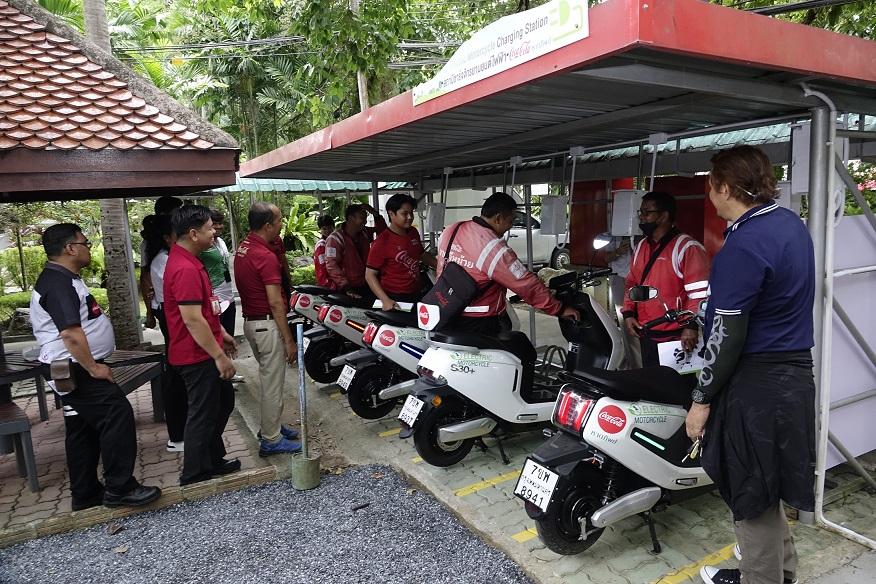
Electricity Consumption
| Metric | Current Year | Previous Year | Two Years Ago | Remark |
|---|---|---|---|---|
| Total electricity consumption within the organization (Kilowatt-Hours) | 31,149,535 | 28,971,555 | 27,401,245 | The reporting boundary for electricity data covers operational activities of Hatyai office, Punpin Plant, two Bangkok offices, and 19 distribution centers. |
| Electricity purchased for consumption from non-renewable energy sources (Kilowatt-Hours) | 25,878,802 | 25,194,159 | 24,352,122 | |
| Electricity purchased or generated for consumption from renewable energy sources (Kilowatt-Hours) | 5,270,733 | 3,777,396 | 3,049,123 | Electricity generated from solar energy through rooftop solar panels installed on factory and office buildings (Solar Rooftop) and floating solar panels (Solar Floating). |
Energy — Fuel Consumption
Introduction
Current fuel use plays a crucial role in driving the economy and daily life. However, inappropriate fuel consumption rates have severe impacts on the environment and natural resources. Therefore, a sound energy management approach is not just about reducing fuel consumption, but also includes developing and promoting renewable energy to create a balance between energy demand and long-term sustainability.
Fuel Consumption
| Metric | Current Year | Previous Year | Two Years Ago | Remark |
|---|---|---|---|---|
| Crude oil (Barrels) | ||||
| Coal (Metric tonnes) | ||||
| Jet fuel (Litres) | ||||
| Diesel (Litres) | 4,061,423.25 | 4,040,174 | 3,552,216.46 | The reporting boundary for energy and fuel data covers operational activities of Hat Yai office, Punpin Plant, two Bangkok offices, and 19 distribution centers. |
| Gasoline (Litres) | 159,226.8 | 162,136.3 | 121,970 | The reporting boundary for energy and fuel data covers operational activities of Hat Yai office, Punpin Plant, two Bangkok offices, and 19 distribution centers. |
| Fuel oil (Litres) | 16,086 | 138,383 | 122,000 | The reporting boundary for energy and fuel data covers operational activities of Hat Yai office, Punpin Plant, two Bangkok offices, and 19 distribution centers. |
| Natural gas (Standard cubic feet) | 182,794.17 | 285,726.53 | 294,325.72 | The reporting boundary for energy and fuel data covers operational activities of Hat Yai office, Punpin Plant, two Bangkok offices, and 19 distribution centers. |
| LPG (Kilograms) | 647,248 | 588,326.8 | 749,096.87 | The reporting boundary for energy and fuel data covers operational activities of Hat Yai office, Punpin Plant, two Bangkok offices, and 19 distribution centers. |
| Steam (Metric tonnes) |
Energy — Targets
Has Set Targets
Yes
Targets
| Target | Base Year | Base Year Value | Target Year | Target Change (%) | Unit |
|---|---|---|---|---|---|
| Increase of electricity consumption from renewable energy sources | 2,018 | 0 | 2,030 | 20 | Kilowatt-hour |
Energy — Performance & Outcomes
Has Performance Results
Yes
Performance Description
In 2025, HaadThip’s energy consumption from fuel sources associated with its operations comprised 4,061,423.25 liters of diesel, 159,226.80 liters of gasoline, 16,086.00 liters of fuel oil, 647,248.00 kilograms of liquefied petroleum gas (LPG), and 182,794.17 kilograms of natural gas.
Total electricity consumption across the organization amounted to 31,149,535 kilowatt-hours (kWh). Electricity sources were categorized into two types: 25,878,802 kWh purchased from the Provincial Electricity Authority (PEA) and the Metropolitan Electricity Authority (MEA), and 5,270,733 kWh generated from renewable energy systems, including Solar Rooftop and Solar Floating installations. Renewable electricity accounted for 20.37% of total electricity consumption. This contributed to reducing reliance on grid electricity and resulted in a reduction of 2,635 tons of carbon dioxide equivalent (tCO2e), while also supporting long-term energy cost optimization.
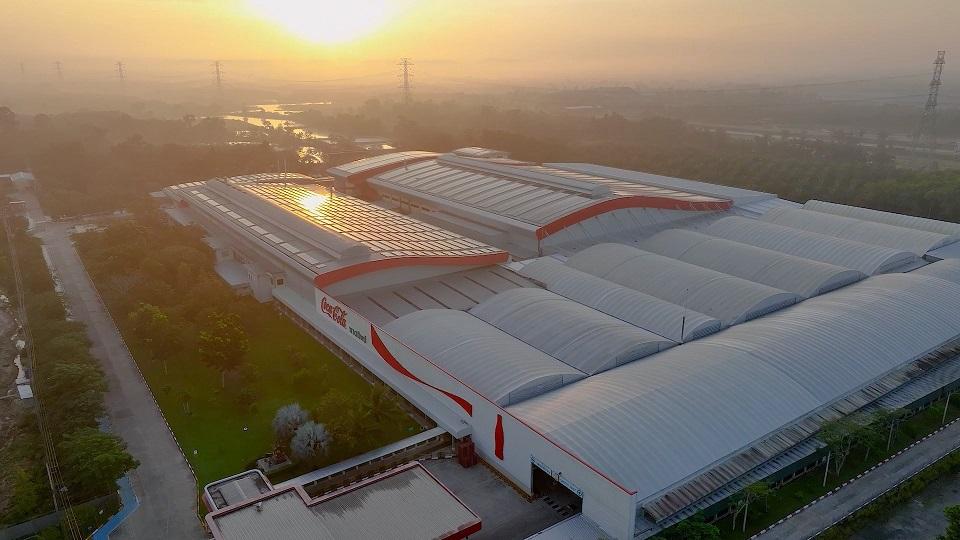
Energy Efficiency Initiatives
The Company has implemented various initiatives to improve energy efficiency, reduce operating costs, and minimize environmental impacts, including the following:
Inverter Installation for Booster Pump in the Injection Machine Cooling System:
An inverter was installed for the booster pump in the injection machine cooling system to regulate water pressure according to actual load demand, replacing continuous full-capacity operation. This optimization resulted in energy savings of 51,039.52 kilowatt-hours (kWh).
Induction Heater Installation:
An induction heater was installed to regulate temperature in areas where heat exceeded specified thresholds, thereby reducing heat accumulation and minimizing energy losses in the production process. This initiative helped in energy savings of 33,447.00 kilowatt-hours (kWh).
Pressure Sensor Installation in PET Production Lines:
The control system of the evaporative condenser fans was enhanced through the installation of pressure sensors, enabling the system to operate in accordance with the compressor’s actual load demand instead of running continuously. This improvement resulted in energy savings of 84,805.70 kilowatt-hours (kWh).
Mixer Water Temperature Optimization:
The water mixing temperature in the PET production line increased from 12oC to 18oC to reduce the load on the cooling system without affecting product quality. This optimization led to a reduction in LPG consumption of 39,705 kilograms
Logistics and Distribution Efficiency Enhancement:
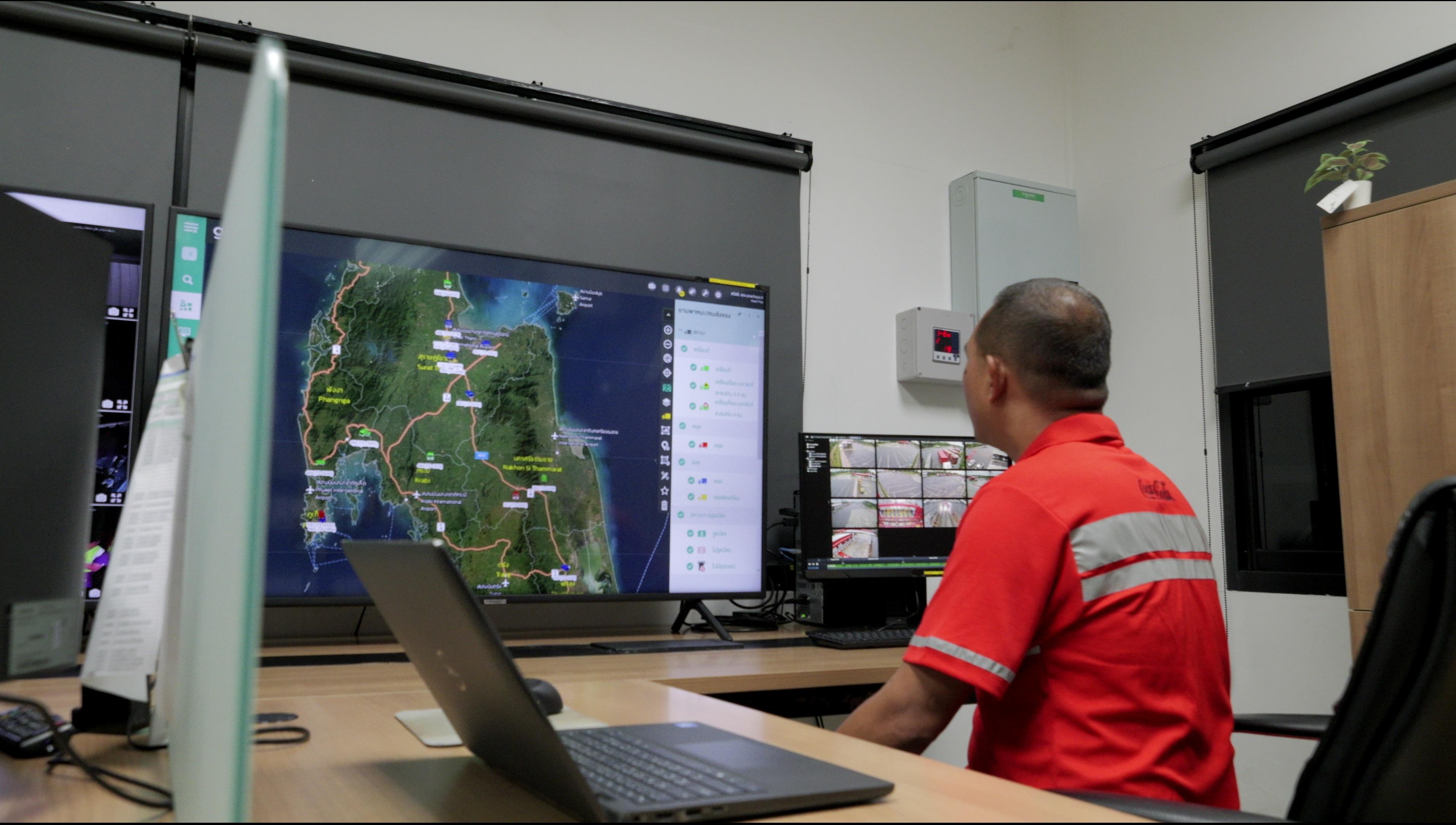
Transportation routes were optimized using distribution data, order volumes, and customer locations to redesign and prioritize delivery routes. This initiative reduced redundant travel distances, shortened driving time, and improved truck load utilization per trip. As a result, fuel consumption from transportation was reduced by 4,667.73 liters.
Water — Plan & Guidelines
Introduction
HaadThip Public Company Limited places great importance on efficient and sustainable water management. The Company has developed a comprehensive water management plan covering all production processes and operational activities to maintain the balance of water resources within the organization and the surrounding communities. Clear targets have been set to reduce water losses and improve water use efficiency, while establishing an operational foundation aligned with sustainable development principles.
Has a Water Management Plan
Yes
Plan Description
The Company is committed to managing water resources efficiently and minimizing waste. It has set clear water management goals, supported by regular inspections of equipment to ensure optimal water usage and reduce losses as much as possible. Additionally, HaadThip aims to enhance water use efficiency to alleviate pressure on water sources within both the organization and the community, establish a system capable of 100% water reuse, and continuously foster water stewardship awareness among employees, communities, and related stakeholders across the value chain.
Water Governance
HaadThip has established a Water Management Committee responsible for setting guidelines, monitoring the progress of water management measures, and assessing water-related risks that may impact its business operations and neighboring communities. Furthermore, the Company has integrated water management approaches into its sustainability strategic plan, with transparent water performance disclosures published annually in its Sustainability Report and filed with the Stock Exchange of Thailand. This ensures that stakeholders can track the Company’s progress on a continuous basis.
Water Conservation Awareness
The Company promotes responsible water use by providing training to employees at all levels and extending awareness initiatives to communities and business partners throughout the value chain. Campaigns on water conservation and educational programs on sustainable water management are regularly conducted to strengthen collective awareness and encourage efficient water use practices.
Water Source Risk Assessment
Water is a critical resource for HaadThip, serving both as a key raw material in the production process and as a factor directly influencing product quality. Accordingly, an integrated approach to water resource management is adopted to ensure business continuity while safeguarding ecosystems and maintaining a balanced use of water resources alongside surrounding communities. A comprehensive water risk assessment framework has been established, covering quantitative availability, water quality, and community-related considerations. This assessment is supported by scientific data and regular site-based monitoring to ensure that water use does not create adverse impacts on water sources or stakeholders.
Water Management Measures and Action Plan
Systematic water management measures and action plans have been established, covering risk prevention, water-use efficiency improvement, wastewater treatment, and performance monitoring. These measures aim to ensure efficient water utilization while minimizing environmental impacts. Key approaches include the following
Enhancement of Machinery and Production Processes:
Machinery and production technologies are continuously improved to reduce water consumption per unit of production and enhance overall water-use efficiency within operational processes.Reduction and Optimization of Water Use Across Operations:
Measures are implemented to minimize unnecessary water consumption in both production and supporting activities, ensuring that water is used efficiently and appropriately.Water Reuse and Recovery:
Treated water is reused in suitable activities to reduce dependence on natural water sources and improve overall resource efficiency.Wastewater Treatment and Environmental Protection:
Efficient wastewater treatment systems are installed and maintained, including Reverse Osmosis (RO) and Membrane Bioreactor (MBR) technologies. These systems ensure that wastewater from production processes is thoroughly treated, enabling safe reuse and ensuring that discharged water meets applicable regulatory standards. Water quality is regularly monitored to maintain compliance.Water Usage Monitoring:
Water consumption data is continuously monitored, reviewed, and analyzed to identify trends and improvement opportunities, supporting informed decision-making in water management practices.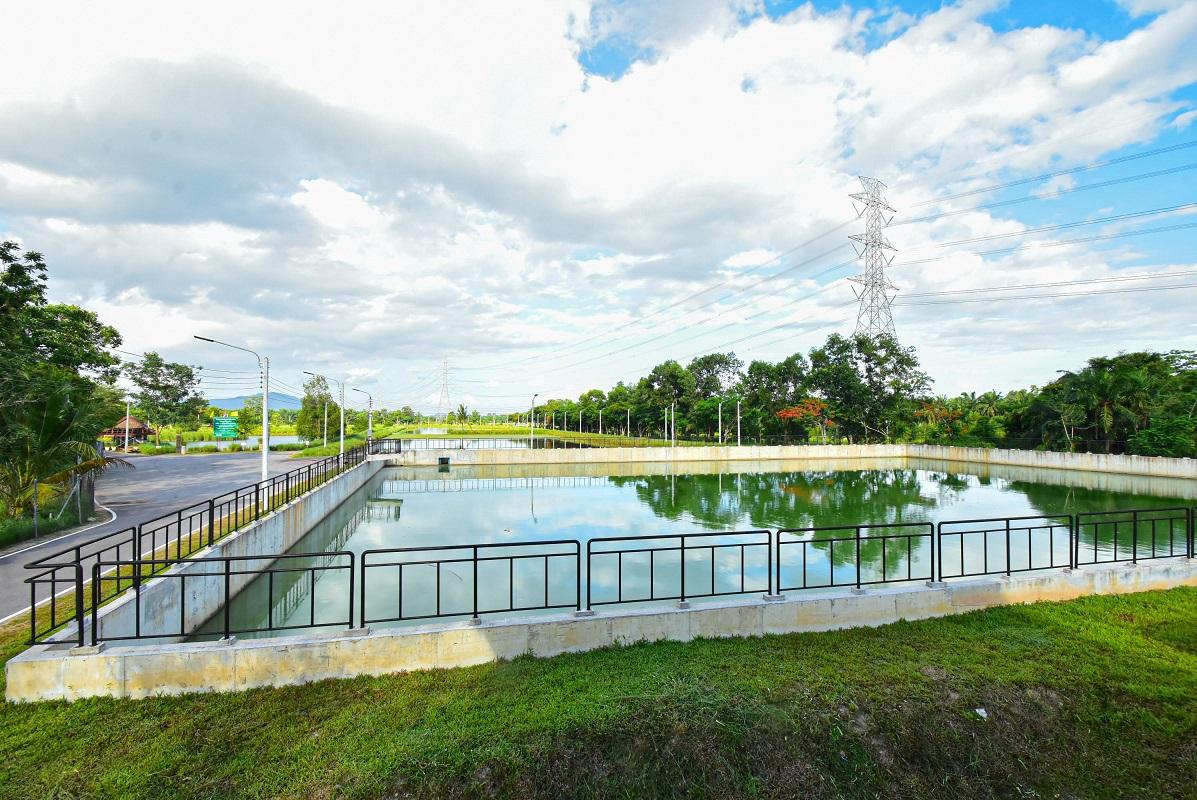
Water — Withdrawal, Discharge & Consumption
Withdrawal by Source — Introduction
The Company’s water consumption data arising from its operational activities, covering the Hat Yai Office, the Punpin Plant, two Bangkok offices, and 19 distribution centers. The reporting scope includes water used in production processes as well as supporting activities within the organization. This boundary does not include water consumption from suppliers, contractors, or water sources utilized by business partners in their own operations. Wastewater generated from the Company’s operations is treated through designated wastewater treatment systems prior to discharge into public water bodies. Ensuring the effluent quality remains in compliance with applicable legal standards and relevant regulatory requirements, reflecting the Company’s commitment to responsible water management and environmental protection.
Water Withdrawal, Discharge & Consumption
| Metric | Current Year | Previous Year | Two Years Ago | Remark |
|---|---|---|---|---|
| Total water withdrawal (Cubic meters) | 670,012 | 674,396 | 612,658 | The reporting boundary for water data in 2025 covers operational activities at Hat Yai office, Punpin Plant, two Bangkok offices, and 19 distribution centers. For 2023 and 2024, the reporting boundary for water data covered operational activities at the Hat Yai Office, the Punpin Plant, two Bangkok offices, and 19 distribution centers. |
| Total water withdrawal by third-party water (Cubic meters) | 28,102 | 37,900 | 38,666 | |
| Total water withdrawal by surface water (Cubic meters) | ||||
| Total water withdrawal by groundwater (Cubic meters) | 641,910 | 636,496 | 573,992 | |
| Total water withdrawal by seawater (Cubic meters) | ||||
| Total water withdrawal by produced water (Cubic meters) | ||||
| Percentage of wastewater treated before discharge (%) | 100 | 100 | 100 | |
| Total water discharge (Cubic meters) | 261,830 | 213,154 | 133,336 | The reporting boundary for water data in 2025 covers operational activities at Hat Yai office, Punpin Plant, two Bangkok offices, and 19 distribution centers. For 2023 and 2024, the reporting boundary for water data covered operational activities at the Hat Yai Office, the Punpin Plant, two Bangkok offices, and 19 distribution centers. |
| Total water discharge to third-party water (Cubic meters) | ||||
| Total water discharge to surface water (Cubic meters) | 261,830 | 213,154 | 133,336 | |
| Total water discharge to groundwater (Cubic meters) | ||||
| Total water discharge to seawater (Cubic meters) | ||||
| Total water consumption (Cubic meters) | 408,182 | 461,242 | 479,322 | The reporting boundary for water data in 2025 covers operational activities at Hat Yai office, Punpin Plant, two Bangkok offices, and 19 distribution centers. For 2023 and 2024, the reporting boundary for water data covered operational activities at the Hat Yai Office, the Punpin Plant, two Bangkok offices, and 19 distribution centers. |
| Recycled water (Cubic meters) | 51,937 | 51,280 | 56,251 | The reporting boundary for water data in 2025 covers operational activities at Hat Yai office, Punpin Plant, two Bangkok offices, and 19 distribution centers. For 2023 and 2024, the reporting boundary for water data covered operational activities at the Hat Yai Office, the Punpin Plant, two Bangkok offices, and 19 distribution centers. |
Water — Targets
Introduction
HaadThip Public Company Limited places strong emphasis on efficient and sustainable water resource management. Water management targets have been established to cover both internal operations and shared value creation with communities, aiming to balance business growth, natural resource stewardship, and long-term water security. These targets are designed to be measurable and to enable clear tracking of progress over time.
The Company is committed to continuously improving water-use efficiency in its production processes to reduce water consumption per unit of production and minimize impacts on natural water sources. Targets are set based on historical performance and an assessment of improvement potential within operational processes. The baseline year is 2019, during which water intensity was approximately 1.59 liters per liter of beverage produced (L/Lbev), equivalent to a total net water withdrawal of 549,634 cubic meters. The company has set a target to reduce water intensity to no more than 1.50 L/Lbev, equivalent to net water withdrawal of no more than 522,152 cubic meters, by 2030.
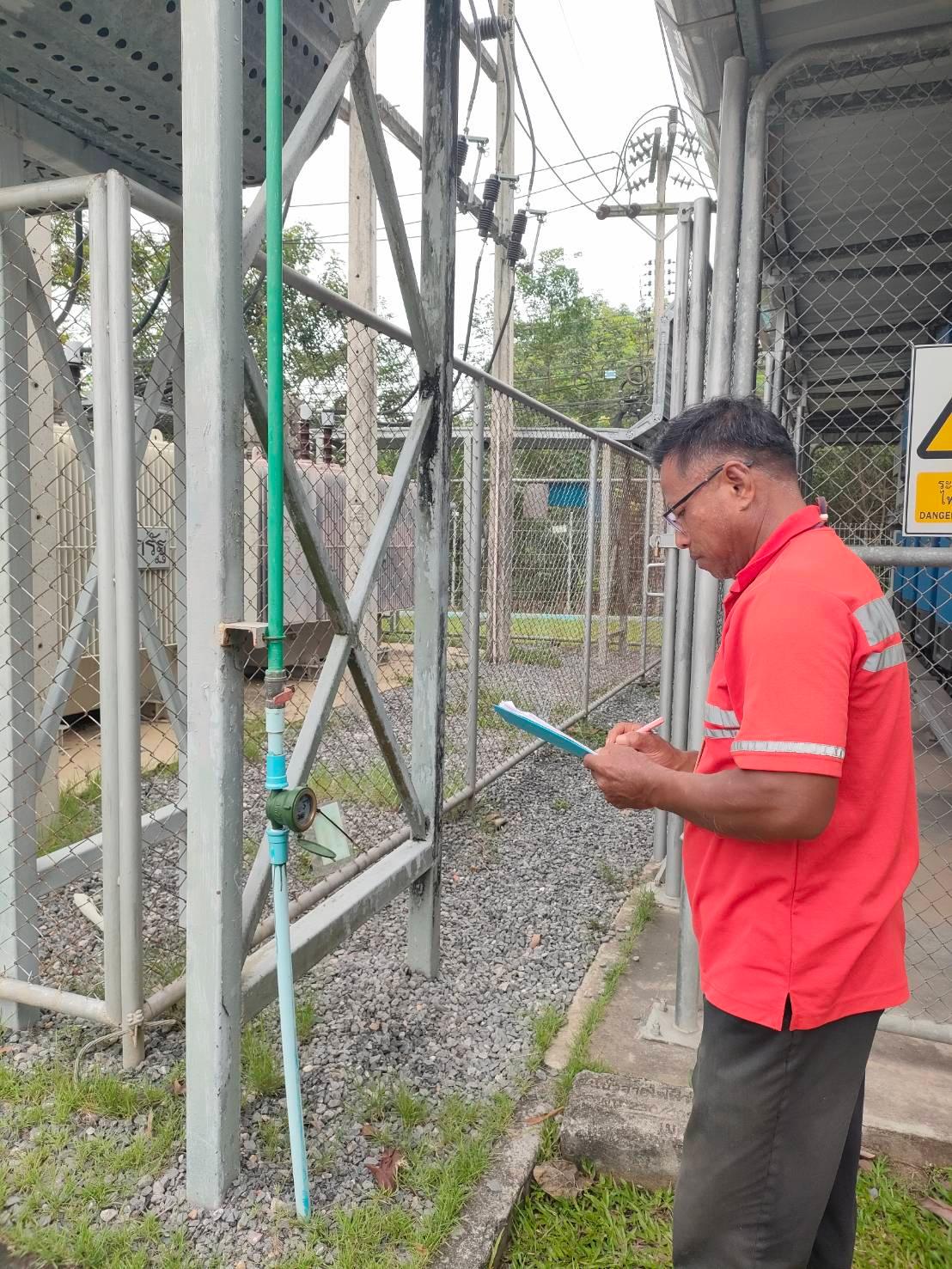
Has Set Targets
Yes
Targets
| Target | Base Year | Base Year Value | Target Year | Target Year Value | Target Change (%) | Unit |
|---|---|---|---|---|---|---|
| Reduction of water withdrawal | 2,019 | 549,634 | 2,027 | 522,152 | 5 | Cubic meters |
Water — Performance & Outcomes
Has Performance Results
Yes
Performance Description
In 2025, HaadThip recorded a total water withdrawal of 624,895 cubic meters (m3), equivalent to 1.55 liters per unit of production. Groundwater remains the primary water source for beverage production, while municipal water is used for supporting operational activities within the organization. HaadThip’s water management approach focuses on improving water efficiency, reducing losses, and maximizing water reuse to ensure responsible and sustainable utilization of water resources.
Strategies and Key Water Management Initiatives
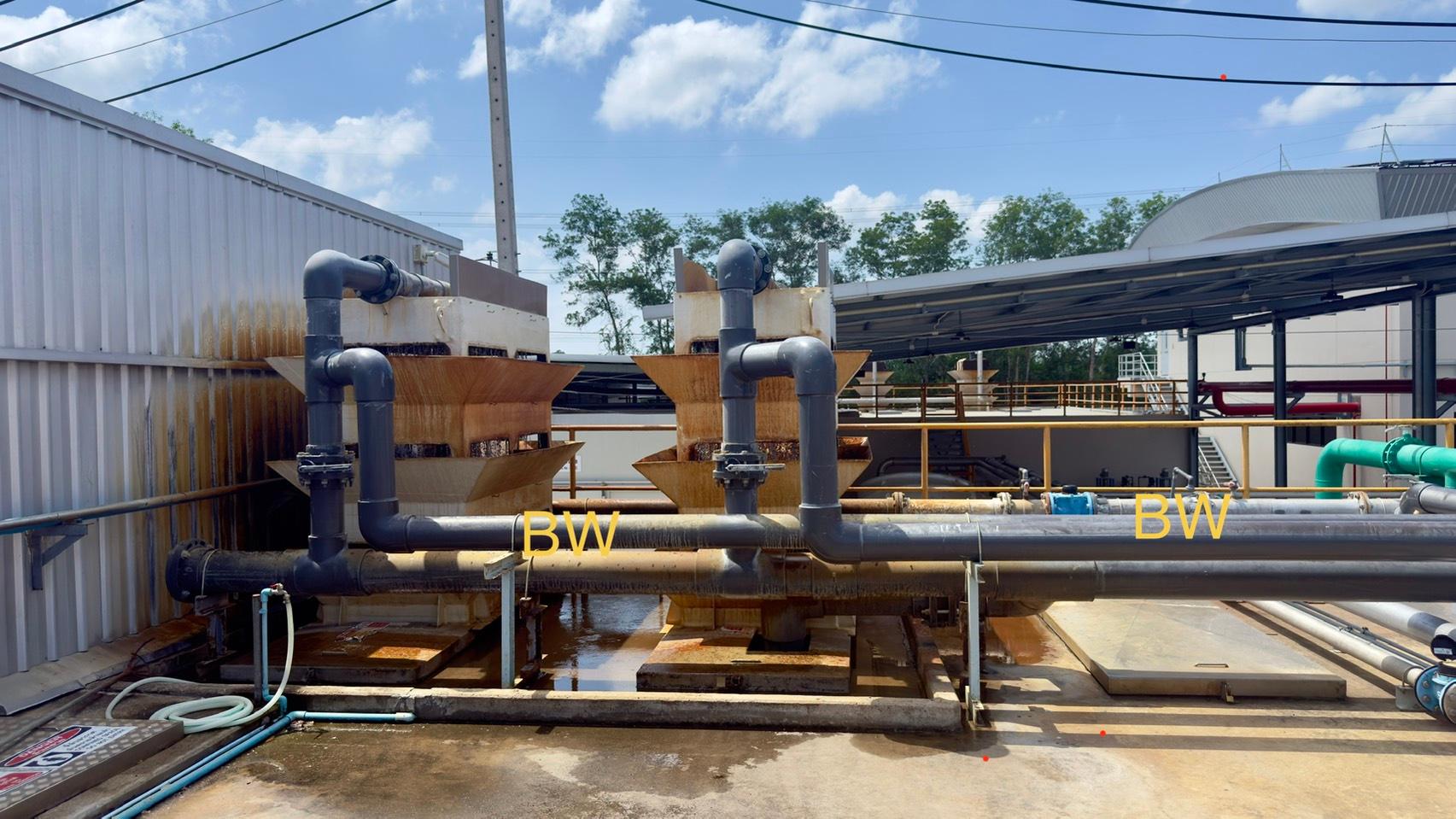
Backwash Recovery Project - The Company implemented a system to recover and reuse water from the filtration backwash process. Through proper system design and quality control prior to reuse, this initiative reduces water loss within the production process. The project enables the recovery of more than 50,000 m3f water per year, directly reducing reliance on groundwater and enhancing internal water resource efficiency.
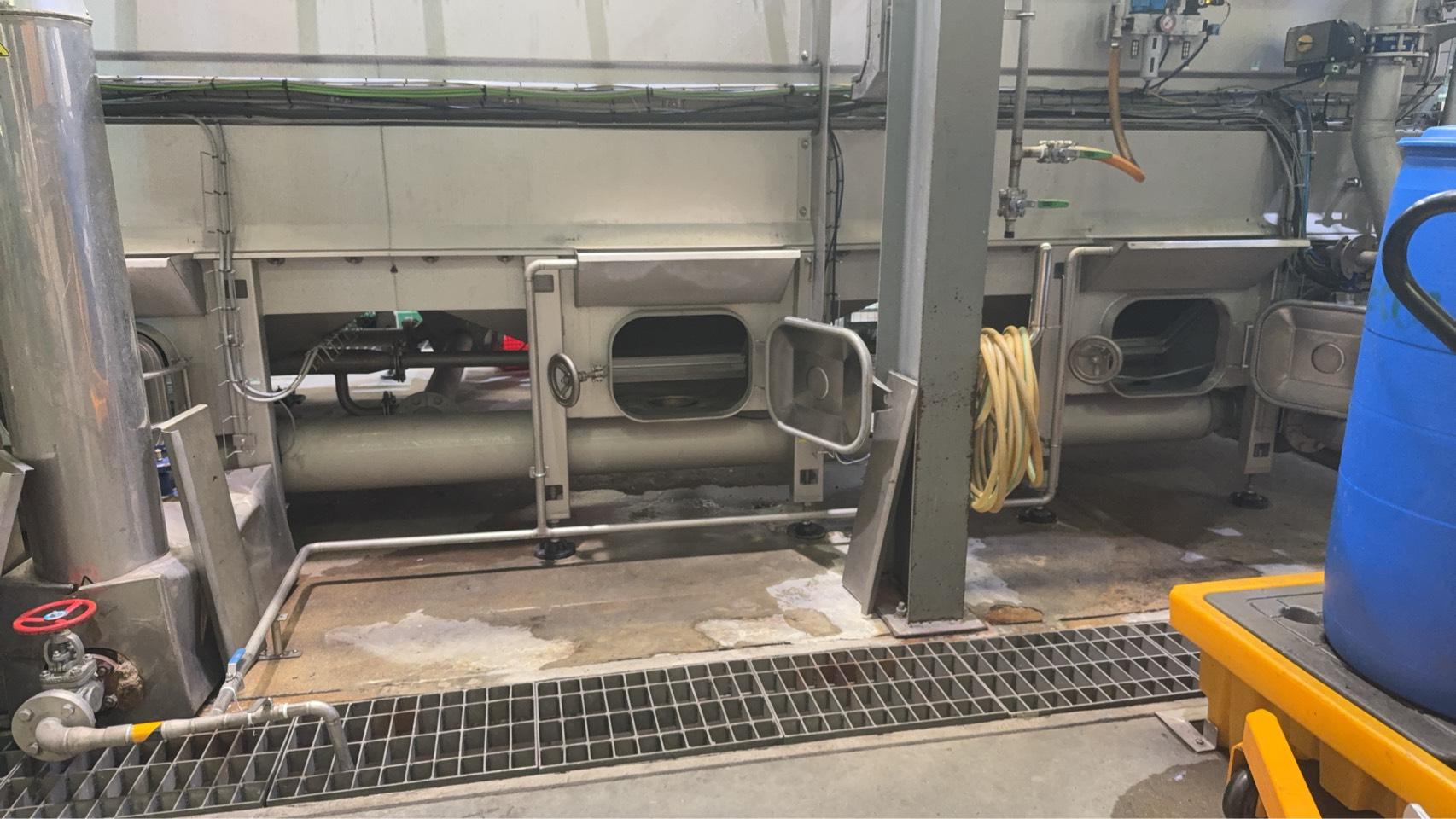
Reuse of Condensate Water in Warmer Process - The production process was improved by systematically collecting and reusing condensate water generated from heating operations in the warmer system. Under controlled water quality standards, this initiative reduces freshwater consumption by approximately 25,000 m3 per year, increasing operational water efficiency and contributing to long-term resource cost optimization.
Water Meter Installation and Water Balance Management - The Company has installed water meters at critical control points throughout the production process and developed a comprehensive water balance system to analyze water input, consumption, loss, and discharge at each stage. This enables anomaly detection, identification of loss points, and the implementation of continuous improvement measures. As a result, water management is conducted with greater accuracy, transparency, and systematic planning to optimize water use across operations.
Water Source Risk Assessment
In 2025, the Company conducted a comprehensive water source risk assessment under the Source Vulnerability Assessment (SVA) scenario. The assessment applied scientific hydrological modelling to evaluate both the quantity and quality dimensions of the groundwater source, covering short-, medium-, and long-term risk scenarios. The assessment was independently reviewed and analyzed in collaboration with the Department of Civil and Environmental Engineering, Faculty of Engineering, Prince of Songkla University.The scope of the assessment covers the Company’s main raw water source and is scheduled for review every five years to ensure that water abstraction does not compromise long-term water security for the business, surrounding communities, or other users sharing the same aquifer. The results are currently being finalized and will be integrated into the Company’s long-term water management strategy to further strengthen responsible water stewardship and risk mitigation planning.
Wastewater Management and Water Quality Control
The Company operates a Waste Stabilization Pond system for wastewater treatment, utilizing natural processes and anaerobic microorganisms to biologically degrade organic contaminants. The system is designed to accommodate wastewater volumes in line with production capacity, and treated effluent quality consistently comply with the regulatory standards set by the Department of Industrial Works. In 2025, a total of 261,830 cubic meters of wastewater was treated prior to discharge through Huai Chang Laen, a public waterway serving the local community. The Company has installed an online BOD monitoring system to continuously report effluent quality data to the regulatory authority. Water quality monitoring is conducted by the Company’s registered internal laboratory in accordance with established testing standards, alongside periodic verification by accredited external laboratories. This dual layer monitoring approach enhances the accuracy, transparency, and reliability of wastewater quality analysis and reinforces the Company’s commitment to regulatory compliance and responsible environmental management.
Waste — Plan & Guidelines
Introduction
HaadThip Public Company Limited conducts its business based on the principle of resource efficiency while continuously working to reduce environmental impact. The Company has established a waste management policy that covers both internal and external operations. It aims to embed waste management as part of the organizational culture, ensuring that resources used across every stage of the supply chain is optimized to create the highest benefit and generate the least waste.
Improper waste management not only harms the environment and public health of surrounding communities but also risks the loss of organizational credibility. In an era where consumers place high importance on corporate environmental responsibility, failure to manage waste properly or allowing contamination without appropriate processes may lead to complaints from communities, investigations by regulatory authorities, and even suspension of business licenses especially in areas close to communities or natural ecosystems. For HaadThip, developing a waste management system is not a burden or cost, but a necessary measure to protect the continuity of operations.
Has a Waste Management Plan
Yes
Plan Description
The Company emphasizes waste reduction at the source, alongside recycling and reuse, through four key strategies:
Assessment of Waste Sources: The Company evaluates and identifies the sources of waste generated from all production processes and related activities to design targeted and appropriate waste management plans. Data on the volume and types of waste both hazardous and non-hazardous is recorded for continuous planning and improvement.
Upstream Waste Reduction: The Company focuses on minimizing waste during the production process by improving raw material efficiency, switching to recyclable or biodegradable materials, and reducing loss during production. The use of circular resources and reusable packaging is also actively promoted.
Efficient Waste Management Systems: The Company adopts appropriate technologies to systematically collect and manage waste data, while establishing clear waste management processes both internally and externally. A structured waste segregation system is implemented to separate recyclable materials from waste requiring disposal by licensed contractors. Enhances management efficiency, supports resource recovery, and minimizes environmental impact
Creating Organizational Awareness: The Company fosters a culture of sustainable waste management by promoting environmental awareness among all employees through structured training programs, awareness campaigns, and engagement initiatives that encourage participation at every organizational level. With objective to cultivate responsible consumption and resource use behaviors toward environmental and social sustainability across the organization.
Waste — Generation, Disposal & Recycling
Waste Generation — Introduction
In 2025, the Company implemented various measures to effectively reduce waste generated from production processes, while increasing recycling rates across different waste categories. These initiatives were applied across all operational sites, resulting in a significant reduction in landfill disposal. The approach focuses on three key strategies: waste reduction at source, reuse, and recycling.
Waste Generation, Disposal & Recycling
| Metric | Current Year | Previous Year | Two Years Ago | Remark |
|---|---|---|---|---|
| Total waste generated (Kilograms) | 1,203,244 | 1,072,125 | 1,129,827 | The reporting boundary for waste data covers operational activities at the Hat Yai Office, the Punpin Plant, two Bangkok offices, and 19 distribution centers. |
| Non-hazardous waste (Kilograms) | 1,092,790 | 1,034,768 | 1,102,434 | |
| Non-hazardous waste - Landfilling (Kilograms) | ||||
| Non-hazardous waste - Incineration (with energy recovery) (Kilograms) | ||||
| Non-hazardous waste - Incineration (without energy recovery) (Kilograms) | ||||
| Non-hazardous waste - Other disposal operations (Kilograms) | ||||
| Hazardous waste (Kilograms) | 110,454 | 37,357 | 27,393 | |
| Hazardous waste - Landfilling (Kilograms) | ||||
| Hazardous waste - Incineration (with energy recovery) (Kilograms) | ||||
| Hazardous waste - Incineration (without energy recovery) (Kilograms) | ||||
| Hazardous waste - Other disposal operations (Kilograms) | ||||
| Total reused/recycled waste (Kilograms) | 1,033,531 | 904,941 | 958,359 | The reporting boundary for waste data covers operational activities at the Hat Yai Office, the Punpin Plant, two Bangkok offices, and 19 distribution centers. |
| Reused/Recycled non-hazardous waste (Kilograms) | 923,077 | 867,584 | 930,966 | |
| Reused non-hazardous waste (Kilograms) | ||||
| Recycled non-hazardous waste (Kilograms) | 923,077 | 867,584 | 930,966 | |
| Reused/Recycled hazardous waste (Kilograms) | 110,454 | 37,357 | 27,393 | |
| Reused hazardous waste (Kilograms) | ||||
| Recycled hazardous waste (Kilograms) | 110,454 | 37,357 | 27,393 |
Waste — Targets
Introduction
The Company has established systematic waste management targets to effectively manage waste generated from its operations. The focus is on reducing waste from production processes while maximizing resource efficiency. This approach covers both non-hazardous and hazardous waste arising from operational activities. Aiming to minimize environmental impacts, enhance resource utilization efficiency, and continuously elevate its waste management standards over the long term.
Has Set Targets
Yes
Targets
| Waste Type | Disposal Approach | Target | Base Year | Target Year | Target Change (%) | Unit |
|---|---|---|---|---|---|---|
| Non-hazardous waste and hazardous waste | 2759 · Description: Recycle | Increase waste utilization | 2,019 | 2,027 | 3 | Kilograms |
Waste — Performance & Outcomes
Has Performance Results
Yes
Performance Description
Elimination of Landfilling for Production Waste: Since 2023, the Company has achieved 100% recycling of production waste with zero landfill disposal reflecting significant progress in sustainable waste management.
Hazardous Waste Management: Since 2023, 100% of hazardous waste generated from production processes has been diverted from landfill and managed through stabilization prior to being sent for recycling. This approach replaces the previous landfill disposal method and strengthens sustainable waste management practices.
Recycling rate of manufacturing waste: In 2025, the Company recovered more than 1,033,530 kilograms of total waste, including both hazardous and non-hazardous waste, equivalent to over 89% of total waste generated. The Company aims to maintain a recycling rate of no less than 89% in 2026.
GHG — Plan & Guidelines
Introduction
Increasingly severe climate change is a critical global issue, impacting the environment, society, and economy widely. It poses risks to human well-being, ecosystems, and economic stability. As a beverage manufacturer and distributor, HaadThip Public Company Limited recognizes these impacts and is committed to mitigating negative effects through sustainable operations. By developing and improving various practices, the Company has set policies for energy management and reduction of both direct and indirect greenhouse gas emissions. This includes supporting renewable energy projects, enhancing energy efficiency, and driving innovation towards a low-carbon society. A key goal is to achieve Net Zero Greenhouse Gas Emissions by 2050, reflecting environmental responsibility and being part of the commitment to building a sustainable future for generations to come.
HaadThip has continuously implemented environmental projects and analyzed the risks of climate change that may affect the organization. The Company has established a committee and a working group to effectively address these challenges. Moreover, HaadThip is committed to working with all sectors to reduce environmental impacts and create a balance between business operations and natural resource conservation. This ensures preparation for a sustainable future in all dimensions.
Has a GHG Management Plan
Yes
Plan Description
To ensure effective operation, the Company has established the following greenhouse gas management policy:
Governance
The Company has established a clear governance structure for climate change management. The Sustainability Committee is responsible for setting the direction, strategy, and policies related to Climate Action, as well as overseeing and evaluating performance in greenhouse gas emission reduction initiatives. In parallel, the Sustainability Working Team, comprising relevant executives, is responsible for driving implementation plans on emission reduction, energy efficiency improvement, and renewable energy adoption. The team also promotes climate awareness across all employee levels and regularly reports progress to the Sustainability Committee to ensure effective, transparent management aligned with established targets.
In addition, the Company has established a Net Zero Carbon Emission Working Team, consisting of representatives from multiple internal functions, to drive operational implementation, monitor performance, and recommend practical emission reduction measures across Scope 1, Scope 2, and Scope 3. Progress is reported on a regular basis to ensure alignment with the Company’s Net Zero target by 2050 and integration within the enterprise risk management framework.
Fostering a Resource Conservation Mindset
The Company promotes a low-carbon organizational culture through awareness-building initiatives, training programs, and employee engagement activities. These efforts encourage environmentally responsible behaviors at all levels of the organization and extend to families, business partners, and stakeholders across the value chain.
Climate Change Risk Assessment
The Company recognizes that climate change may impact business operations, including energy costs, operational continuity, and supply chain stability. Accordingly, climate-related and greenhouse gas risks are systematically assessed and integrated into the enterprise risk management process. This approach supports long-term strategic planning and informed decision-making, strengthening business resilience under evolving environmental conditions.
Greenhouse Gas Management Measures and Action Plans
The Company has developed structured measures and action plans for greenhouse gas management, encompassing risk prevention, emission reduction, and performance monitoring. Key approaches include:
Enhancing production processes and machinery efficiency - Improving manufacturing processes and upgrading technologies to reduce energy consumption and lower emissions per unit of production covering overall organizational emission reductions.
Energy efficiency and transition to clean energy - Reducing reliance on fossil fuels while increasing the adoption of renewable and alternative energy sources in operations.
Sustainable procurement practices - Promoting the selection of raw materials, products, and services with lower greenhouse gas emissions, and collaborating with business partners to reduce emissions across the value chain.
Monitoring and reporting of greenhouse gas emissions - Calculating and tracking organizational greenhouse gas emissions in accordance with the standards of the Thailand Greenhouse Gas Management Organization (Public Organization) (TGO) and continuously reviewing operational approaches to support the achievement of long-term Climate Action objectives.
GHG — Emissions
Introduction
The Company places strong emphasis on systematic greenhouse gas management by monitoring, measuring, and assessing emissions arising from its business operations. This approach supports the Company’s commitment to reducing environmental impacts and addressing climate change, while ensuring transparent disclosure to stakeholders.
The organizational boundary for measurement and reporting is defined using the Operational Control Approach and covers all operational sites of the Company, including the Hat Yai Office, the Punpin Plant, two Bangkok offices, and 19 branch offices and warehouses across Southern Thailand. This comprehensive boundary ensures that reported data accurately reflects the impacts of the Company’s business activities and provide a reliable foundation for tracking long-term emission reduction progress.
GHG Emissions
| Metric | Current Year | Previous Year | Two Years Ago | Remark |
|---|---|---|---|---|
| Total GHG emissions (Metric tonnes of carbon dioxide equivalent) | 69,378 | 78,497 | 70,999 | The reporting boundary for greenhouse gas data covers operational activities at the Hatyai Office, the Punpin Plant, two Bangkok offices, and 19 distribution centers. |
| Total greenhouse gas emissions 1 (Metric tonnes of carbon dioxide equivalent) | 16,026 | 16,031 | 14,758 | |
| Total greenhouse gas emissions 2 (Metric tonnes of carbon dioxide equivalent) | 12,293 | 12,595 | 12,174 | |
| Total greenhouse gas emissions 3 (Metric tonnes of carbon dioxide equivalent) | 41,059 | 49,871 | 44,067 |
GHG — Emissions Verification
Emissions Verified by a Third Party
Yes
Verifying Body
2645
GHG — Principles & Standards
Introduction
The Company manages and discloses climate change–related information in alignment with recognized principles and standards. Reporting practices are referenced against the guidelines of the Thailand Greenhouse Gas Management Organization (Public Organization) (TGO) and other relevant international best practices. The Company applies the Operational Control Approach in defining its organizational boundary, ensuring that measurement and reporting appropriately reflect the impacts arising from business operations.
In previous reporting cycles, greenhouse gas emissions were disclosed for two primary production facilities only, namely the Hat Yai Office and the Punpin Plant. However, starting from 2025 onwards, the Company has expanded the reporting boundary to cover all operational sites, including 2 Bangkok offices and 19 regional branch offices and warehouses across Southern Thailand. This enhancement ensures that disclosures comprehensively reflect climate-related risks and impacts associated with the Company’s full operational footprint.
Greenhouse gas emissions are measured and reported across Scope 1, Scope 2, and Scope 3 categories. The Company prioritizes material emission sources that are significant to business operations and impactful across the value chain. This focused approach strengthens the identification of climate-related risks and opportunities while supporting meaningful and useful disclosure for stakeholders.
Principles & Standards Applied
| Standard |
|---|
| 2671 |
| 2672 |
| 2676 |
| 2677 |
GHG — Targets
Has Set GHG Targets
Yes
GHG Targets — Net Zero
Introduction
HaadThip Public Company Limited has declared its commitment to systematically reducing greenhouse gas emissions, with a long-term target of achieving Net-Zero Greenhouse Gas Emissions by 2050. This commitment reinforces the Company’s dedication to sustainable business operations and aligns with both national and international climate action directions. The strategic pathway encompasses internal operations, the broader value chain, as well as collaboration with business partners and relevant communities.
In establishing its Net Zero target and emission reduction pathway, the Company reviewed and adjusted its baseline year to align with the expanded greenhouse gas reporting boundary. Previously, emissions reporting covered only two main production facilities; however, the boundary has now been extended to include all operational sites. This enhancement ensures that emissions data is comprehensive, accurate, and reflective of the full impact of the Company’s business activities.
The baseline adjustment aims to ensure consistency between target-setting and current reporting boundaries, relying on complete and verifiable data to track progress effectively. The Company’s Net Zero pathway has been developed and validated in consultation with the Thailand Greenhouse Gas Management Organization (Public Organization) (TGO), ensuring that the target is grounded in sound technical methodology, aligned with the Company’s operational capacity, and practically achievable over the long term.
Net Zero Targets
| Emission Scope | SBTi Status | TGO Certification | Base Year | Base Year Emissions | Near-term Target Year | Near-term Target Value | Near-term Target Change (%) | Long-term Target Year | Long-term Target Value | Long-term Target Change (%) | Target Year | Target Year Emissions | Target Change (%) | Unit |
|---|---|---|---|---|---|---|---|---|---|---|---|---|---|---|
| 2716 | Approve | Net zero pathway | 2,023 | 70,999 | 2,030 | 16,566 | 23.33 | 2,050 | 63,899.1 | 90 | 2,030 | 16,566 | 23.33 | Metric tonnes of carbon dioxide equivalent |
GHG — Performance & Outcomes
Introduction
HaadThip, as a manufacturer and distributor of beverage products, recognizes the impact of its operations on the community and the environment. We are committed to continuously reducing the impact from business growth. We have a policy to control and reduce greenhouse gas emissions to meet international standards, which has been implemented continuously since 2013 to the present. This is to support Thailand in achieving its goals in global cooperation to address climate change.
Has Performance Results
Yes
Performance Description
In 2025, the Company consolidated greenhouse gas emissions data from activities across its entire organization, reporting total emissions of 69,385 Tons of Carbon Dioxide Equivalent (tCO2e). This comprised 16,026 tCO2e from direct emissions (Scope 1), 12,300 tCO2e from indirect emissions associated with energy consumption (Scope 2), and 41,059 tCO2e from other indirect emissions (Scope 3). The disclosed data are currently undergoing verification and certification by the Thailand Greenhouse Gas Management Organization (Public Organization) (TGO).
To enhance the accuracy, transparency, and timeliness of greenhouse gas data management, the Company has implemented a Carbon Accounting Platform and a Carbon Footprint of Product (CFP) Platform. These digital solutions are designed to enable systematic measurement and monitoring of emissions across Scope 1, Scope 2, and Scope 3. The platforms collect and analyze data from multiple sources, including energy consumption, transportation, and supply chain activities, with integration into the Company’s enterprise resource planning system (ERP). Data are converted into Carbon Dioxide equivalent (CO2e) in accordance with internationally recognized methodologies, supporting effective greenhouse gas emissions management. Beyond measurement, the platforms provide analytical capabilities that allow the Company to identify high-emission activities and prioritize reduction initiatives. This data-driven approach strengthens decision-making, enhances operational efficiency, and supports continuous improvement in climate performance.
In addition, the Company has been recognized as a Climate Action Leading Organization (CALO), having formally registered its commitment to achieving Net Zero. This recognition is aligned with the certification requirements and Net Zero GHG Emissions guidelines established by the Thailand Greenhouse Gas Management Organization (TGO), further reinforcing the Company’s leadership in credible and accountable climate action.
In 2025, the Company implemented systematic greenhouse gas reduction measures across Scope 1, Scope 2, and Scope 3 emission sources. The initiatives focused on enhancing production efficiency, increasing renewable energy utilization, and reducing impacts throughout the value chain.
Scope 1 Emission Reduction
PET Production Line Water Mixer Temperature Optimization.
Optimized the production process by adjusting water mixing temperatures in the PET production line to reduce LPG consumption without compromising product quality. This initiative resulted in a reduction of 400.51 tCO2e.
Transportation and Distribution Route Optimization.
Improvements in logistics planning and route optimization reduced fuel consumption and enhanced fleet efficiency, contributing to a reduction of 12.79 tCO2e.
Scope 2 Emission Reduction
Machinery Control and Cooling System Efficiency Improvement.
The Company enhanced control systems for production equipment and cooling systems, reducing electricity consumption by 169,292.22 kWh, equivalent to 84.62 tCO2e.
Solar Power Installation.
installation of solar photovoltaic systems increased the share of renewable energy used in operations, replacing grid electricity and reducing emissions by 1,097.95 tCO2e.
Scope 3 Emission Reduction
PET Lightweight Packaging Initiative.
The Company redesigned and reduced the weight of PET packaging to improve material efficiency and decrease plastic resin consumption in the packaging production process. In 2025, this initiative reduced greenhouse gas emissions by 4,380.83 tCO2e, reflecting the Company’s commitment to value chain decarbonization and circular resource management
Environmental Legal Incidents
Legal Violation Incidents
| Metric | Current Year | Previous Year | Two Years Ago |
|---|---|---|---|
| Number of cases or incidents of legal violations or negative environmental impact (cases) | 0 | 0 | 0 |
Human Rights Due Diligence
Conducts Human Rights Due Diligence
Yes
Due Diligence Description
The Company’s human rights due diligence process comprises five key steps, implemented in alignment with the principles set out in the UN Guiding Principles on Business and Human Rights (UNGP), as follows:
Policy Commitment and Principles on Respect for Human Rights : HaadThip Public Company Limited recognizes the importance of human rights in conducting its business operations. This commitment is clearly reflected in the Company’s Human Rights Policy and its strict adherence to applicable laws and internationally recognized standards. HaadThip supports and complies with the United Nations Global Compact (UNGC) and the International Labor Organization (ILO) Declaration on Fundamental Principles and Rights at Work. The Company is also committed to preventing human rights violations across all business activities, with coverage extending throughout its value chain. All employees at every level are protected and entitled to benefits in accordance with their employment agreements, and the same expectations apply to all business partners and suppliers.
Assessment of Actual and Potential Human Rights Impacts : The Company conducts annual human rights risk and impact assessments, or more frequently when significant events arise that may alter the level of risk or impact. The assessment process covers the identification of human rights issues that may affect all stakeholder groups, including employees, contractors, local communities, and vulnerable groups which included women, indigenous peoples, migrant workers, LGBTQ+ individuals, disadvantaged persons, persons with disabilities, and children. The Company also evaluates the potential human rights impacts arising from its operational activities and areas of operation, with particular attention to sensitive locations, including areas affected by conflict or instability (conflict-affected areas).
Integration of Policy with Assessment, Including Internal and External Control Mechanisms.
3.1 Scoping and Identification of Human Rights Risks The first step in the human rights risk and impact assessment process is to define the scope of the assessment. This step enables senior management to understand the trends and potential impacts arising from the company’s business activities. The information gathered helps determine the scope of baseline data collection and the extent of impact assessment required. In defining the scope, the Company considers both actual and potential human rights risks across the entire value chain. This includes direct activities carried out by the Company as well as indirect impacts arising from the operations of business partners and contractors, which may result in complicity in human rights violations.
3.2 Scope of Assessment
Labor Right
Community and Environmental Rights
Customer Rights
Supplier and Contractor Rights
Working Environment
Occupational health and safety of employees
Non-discrimination
Freedom of association and collective bargaining
Child labor and forced labor
Standard of living and quality of life
Community health and safety
Access to clean water for communities
Waste and hazardous materials management
Land acquisition
Working conditions
Customer health and safety
Protection of customer data privacy
Non-discrimination toward customers
ing Environment
Occupational health and safety of employees
Supplier code of conduct
Protection of supplier confidentiality
3.3 Management and Mitigation of Impacts : Following the risk and impact assessment, the company implements appropriate measures to manage identified risks, particularly those assessed as high or very high. The focus is on minimizing adverse impacts while strengthening potential positive impacts. Developed mitigation measures are applied to projects or activities identified as having high or very high human rights risks. After implementation, the measures are subject to monitoring and review to enhance effectiveness. Upon completion of each stage of the human rights impact assessment process, the impacts are reassessed to determine any remaining residual impacts.
Monitoring and Reporting of Implementation
4.1 Monitoring : The UN Guiding Principles on Business and Human Rights clearly state that human rights risk and impact assessments are an ongoing process requiring regular review. Human rights risks associated with the Company’s business operations may evolve over time as business activities expand or change, and as stakeholder groups shift. Accordingly, the Company conducts continuous monitoring and periodic reviews to ensure that identified risks remain current and that mitigation measures are effective.
4.2 Reporting of Implementation : The Company prepares a human rights risk and impact assessment report for submission to senior management to provide visibility on current risk exposure and planned mitigation measures. This is presented in the form of a Human Rights Risk Register, which serves as a structured tool for tracking, reviewing, and managing human rights-related risks on an ongoing basis.
Corrective Action and Remedy : The Company recognizes that its business activities may cause, contribute to, or be linked to human rights violations affecting relevant stakeholders. The Company is therefore committed to mitigating such risks and preventing potential violations, in line with its Human Rights Policy and Fair Employment Policy. To this end, the Company conducts annual human rights risk assessments to identify potential situations and instances of human rights impacts arising from its business activities. Appropriate mitigation measures are developed and implemented to address identified risks, with the objective of preventing and reducing the likelihood of human rights violations.
In the event that a human rights violation is identified, the Company undertakes a fair and transparent investigation process and determines appropriate disciplinary actions in accordance with Company regulations. The remediation process follows clearly defined procedures, as outlined below:
Remediation Measures of the Company
Direct apology to affected individuals
Compensation for damage
Monetary and non-monetary remedies
Assistance in accessing other forms of remedy
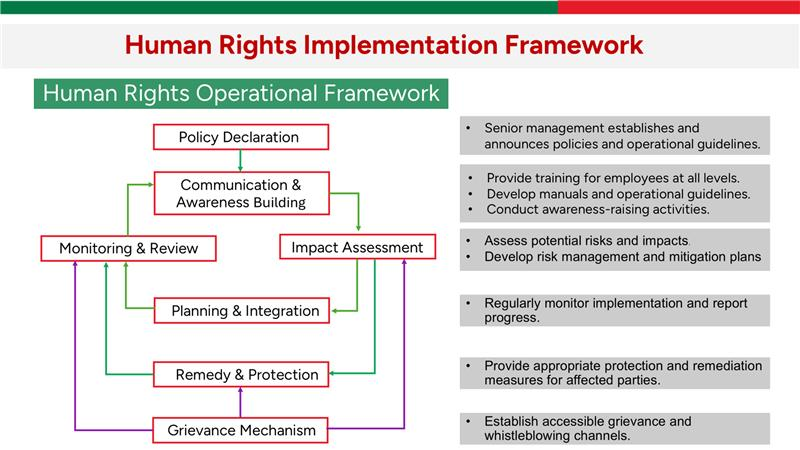
Due Diligence Document Link
https://www.haadthip.com/storage/document/human-rights/htc-human-rights-due-diligence-th.pdf
Employees — Plan & Guidelines
Introduction
HaadThip Public Company Limited places high importance on employee and labor management under internationally accepted standards. The Company is committed to creating fair, safe, and high-quality work environment where employees can grow alongside the organization. We believe that effective employee management not only enhances the Company’s competitiveness but is also a critical factor in driving long-term sustainability. The Company has established a comprehensive employee and labor management plan covering key issues such as fair remuneration, employee potential development, promotion of employee relations and engagement, respect for human rights and non-discrimination, prohibition of child labor and forced labor, as well as occupational health and safety. This helps build a stable organization where every employees can grow confidently and sustainably.
Has an Employee Management Plan
Yes
Plan Description
Fair Compensation and Benefits
The company prioritizes fair and competitive remuneration based on experience, qualifications, and actual performance, with periodic adjustments to align with industry standards and cost-of-living changes. HaadThip is committed to gender equality and non-discrimination, ensuring all employees have equal opportunities for pay and career progression regardless of gender or LGBTQI+ identity. A continuous performance evaluation system supports salary adjustments, bonuses, and incentive rewards for outstanding performance.
Employee Training and Capacity Building
HaadThip supports skills development through training programs covering technical skills, management skills, and digital skills, enabling employees to adapt and grow with the organization. The Company also supports further academic education and participation in professional development to help employees reach their full potential.
Promoting Employee Engagement and Participation
The Company values employee engagement through activities that build relationships, such as employee meetings, recreational activities, and employee engagement programs. Open communication channels are in place so employees can freely share opinions and suggestions for improvement. HaadThip fosters an open and diverse organizational culture, supporting equality and inclusivity for LGBTQI+ employees as well as individuals of different races, religions, and abilities, to ensure everyone can work with confidence.
Non-Discrimination
HaadThip operates under human rights principles, equality, and fairness, promoting a culture of diversity and non-discrimination across all dimensions, including gender, age, race, religion, language, marital status, physical condition, economic status, or cultural beliefs. The Company believes that respecting differences and creating equal opportunities for all employees will help unlock their full potential and sustainably strengthen organizational performance. To support this, the Company has established "Welfare Regulations for LGBTQI+ Employees" and regularly holds awareness-raising activities on diversity regarding gender, race, religion, and culture, ensuring no direct or indirect discrimination. Employees are encouraged to contribute to a safe, respectful, and inclusive work environment.
Child and Forced Labor
HaadThip is firmly committed to respecting labor rights in accordance with international human rights principles, especially protecting children’s rights and prohibiting forced labor across all parts of its supply chain. The Company operates in line with the UN Universal Declaration of Human Rights, modern slavery laws, and International Labor Organization (ILO) conventions on minimum working age and youth labor protection. Under the Children’s Rights and Business Principles (CRBP), HaadThip considers potential impacts on children and youth from its business activities, extending this concern to contractors, suppliers, and surrounding communities. Supplier screening measures are in place to ensure there is no child labor or forced labor, and all parties in the supply chain are encouraged to share this responsibility.
Occupational Safety and Health
HaadThip is committed to creating a safe and healthy workplace by implementing internationally recognized occupational health and safety standards to prevent accidents, illnesses, and losses. The Company applies ISO 45001:2018 standards and conducts annual safety training for employees to build skills and readiness to deal with unexpected incidents, protecting employees’ lives and assets. A continuous monitoring and evaluation system is also in place to prevent accidents and minimize risks.
Retirement Care
HaadThip is dedicated to caring for employees approaching retirement with preparation programs such as:
Financial planning support for post-retirement security.
Post-retirement vocational skills training to open opportunities after retirement.
Post-retirement health programs to support a good quality of life.
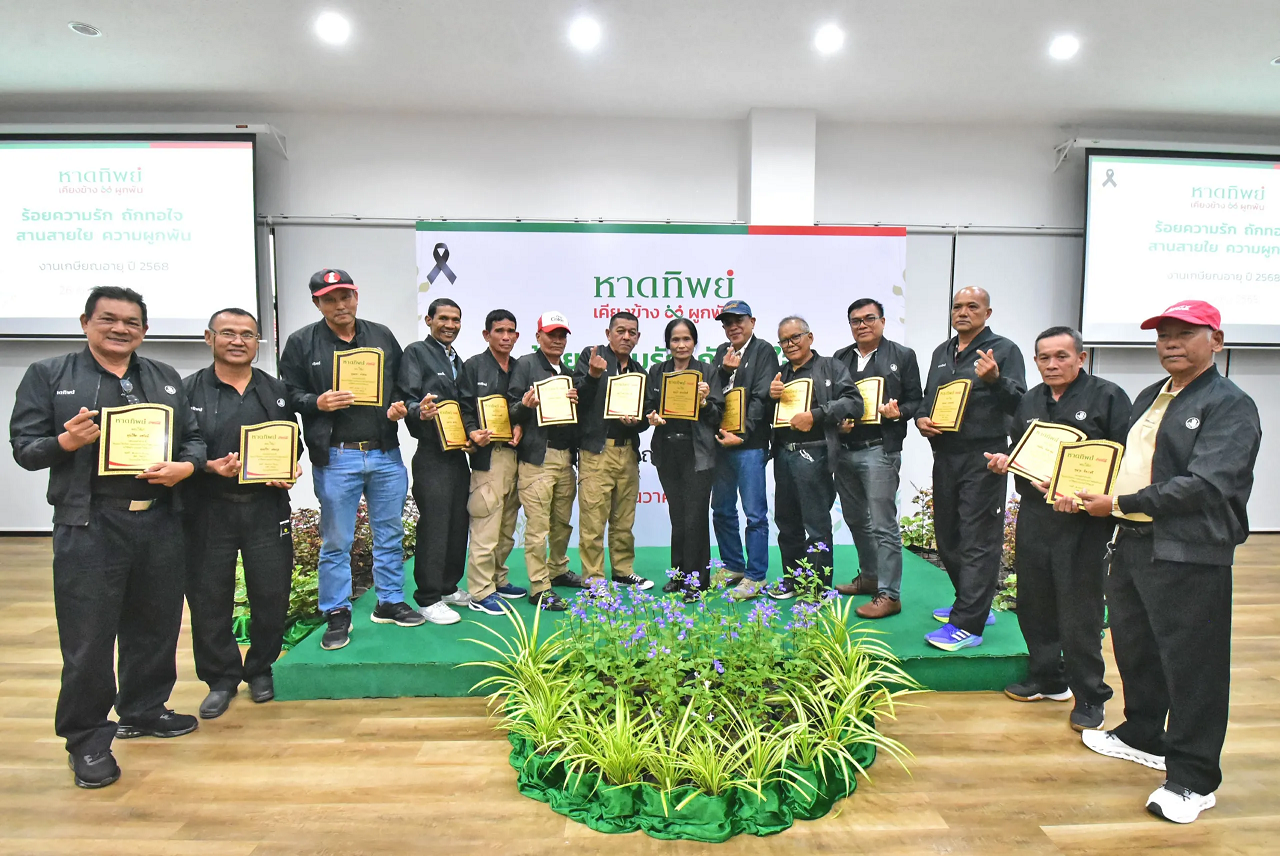
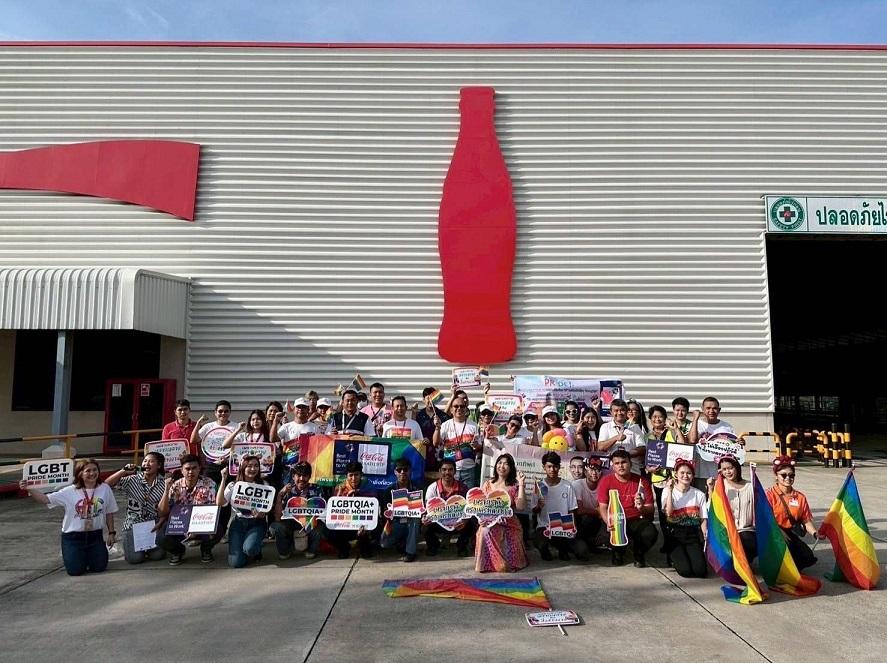

Plan Areas
| Plan Area | Other — Please Specify |
|---|---|
| Fair employee compensation | |
| Employee training and development | |
| Promoting employee relations and participation | |
| Child labor | |
| Occupational health and safety in workplace | |
| Others | Non-discrimination, Forced labor |
Employees — Workforce
Introduction
The Company implements a fair and transparent employment policy grounded in human rights principles, non-discrimination, and equal access to career opportunities. The Company provides opportunities for qualified individuals of all genders, ages, religions, races, and social backgrounds to contribute to the organization, thereby promoting diversity and strengthening long-term sustainable growth potential.
The Company’s recruitment process considers both the long-term strategic direction of the business and the balance of the internal workforce structure. At the same time, the Company places importance on hiring within the areas where it operates. The Company believes that creating local employment opportunities not only helps reduce employees’ housing and transportation expenses but also fosters long-term relationships between the organization and the community, while supporting the sustainable strengthening of the local economy. This approach reflects a commitment to creating both economic and social value in parallel.
Employees with Disabilities — Introduction
The Company has a policy of promoting equal opportunities by employing people with disabilities in suitable positions. This allows them to generate income, be self-reliant, and continuously develop their potential. The Company focuses on supporting both the work and quality of life of people with disabilities in the organization. The Company has improved and developed a work environment conducive to the performance of people with disabilities, such as providing designated parking spaces, restrooms designed for people with disabilities, and facilitating access within the office. The Company has also established projects that provide opportunities for employees with disabilities to participate in creating value, such as managing the welfare shop within the organization, to promote the important role of people with disabilities in the organization.
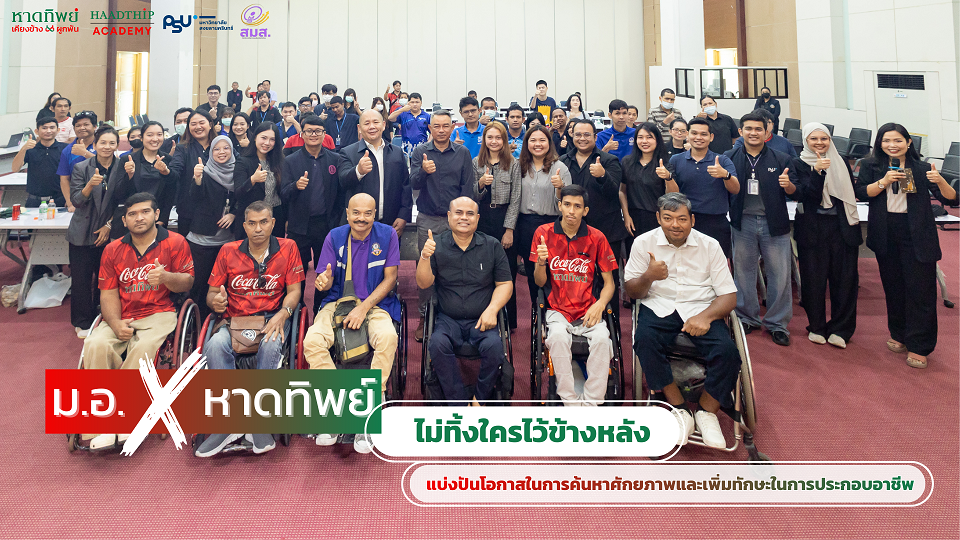
Workforce Data
| Metric | Current Year | Previous Year | Two Years Ago |
|---|---|---|---|
| Total number of employees (Persons) | 2,490 | 2,478 | 2,404 |
| Number of male employees (Persons) | 1,863 | 1,846 | 1,787 |
| Number of female employees (Persons) | 627 | 632 | 617 |
| Total employment of disabled persons (people) | 24 | 24 | 24 |
| Total disabled employees (people) | 24 | 24 | 24 |
| Total male disabled employees (people) | 12 | 13 | 16 |
| Total female disabled employees (people) | 12 | 11 | 8 |
| Total disabled workers who are non-employee (people) | 0 | 0 | 0 |
| Contributions to the fund for promoting and improving the quality of life for disabled persons | 0 | 0 | 0 |
| Total number of male employees in operational level (Persons) | |||
| Total number of male employees in management level (Persons) | |||
| Total number of male employees in executive level (Persons) | |||
| Total number of female employees in operational level (Persons) | |||
| Total number of female employees in management level (Persons) | |||
| Total number of female employees in executive level (Persons) |
Employees — Remuneration & Provident Fund
Introduction
The Company has established a compensation policy to attract, develop, and retain high-performing employees in a competitive market. Employees are offered competitive and market-aligned compensation packages. Receiving appropriate compensation motivates employees to work towards sustainable results, contributing to the Company's continuous growth. The Company has implemented a performance evaluation system at both the departmental and individual levels. This system encompasses goal setting, task execution, planning, progress tracking, development, and evaluation against Key Performance Indicators (KPIs). This ensures that performance management for individuals, departments, and the organization is aligned, reliable, fair, and motivating for all employees.
Performance Review
The Company conducts annual performance evaluations and monitors performance regularly to ensure that employees are aware of their performance measures. These measurements align with performance indicators that correspond to the overall performance evaluation of the department, division, and organization. Supervisors provide guidance, advice, and encouragement to help employees improve their performance, which is linked to compensation and performance-based rewards. This process also focuses on developing employee knowledge and skills to enhance work efficiency, achieve targets, and foster future growth. The Company determines salary and benefits packages that are competitive within the industry, considering the job requirements and employee skills for each position. The Company upholds the principles of non-discrimination and equal opportunities for all, including people with disabilities, in accordance with human rights principles. This approach aims to promote career advancement and encourage employees to grow sustainably with the Company in both the short and long term. Promotional decisions are based on knowledge, skills, and readiness for advancement, ensuring fairness and equal opportunities for all.
Remuneration & Provident Fund
| Metric | Current Year | Previous Year | Two Years Ago |
|---|---|---|---|
| Total disabled employees (people) | 945,814,973 | 883,020,943 | 834,272,767 |
| Total male employee remuneration (Baht) | |||
| Total female employee remuneration (Baht) | |||
| Number of employees eligible to participate in PVD (persons) | 2,418 | 2,421 | 2,354 |
| Total number of employees joining employee provident fund (Persons) | 2,161 | 2,247 | 2,214 |
| Percentage of total number of employees joining employee provident fund to total number of employees (%) | 86.79 | 90.68 | 92.1 |
| Number of PVD members / Total eligible employees (%) | 89.37 | 92.81 | 94.05 |
| Total amount of provident fund contributed by the Company (Baht) | 38,183,162 | 36,778,282 | 22,099,341 |
| Total amount of provident fund contributed by employee (baht) |
Employees — Training & Development
Introduction
HaadThip is committed to promoting continuous learning, both short-term and long-term, to strengthen core competencies and foster a positive learning attitude among employees at all levels. The Company encourages learning through a variety of channels, including classroom training, off-site training, and other development projects.
Beyond supporting knowledge and skills essential for job performance and collaboration aligned with HaadThip’s core competencies, the Company prepares an annual training plan based on in-depth needs assessments, business priorities, and annual targets, complemented by a standardized evaluation system. HaadThip emphasizes the development of skills relevant to the modern era, offering up-to-date courses aligned with current trends, delivered by expert instructors. Employees are encouraged to advance their specialized knowledge, connect existing knowledge with new learning, and grow toward greater expertise, while sharing their knowledge with colleagues. Additionally, the Company fosters a learning culture through modern digital tools, empowering employees to design their own career development pathways with access to career route information and personal development plans. These efforts are vital for strengthening the Company’s long-term competitiveness and supporting sustainable organizational growth.
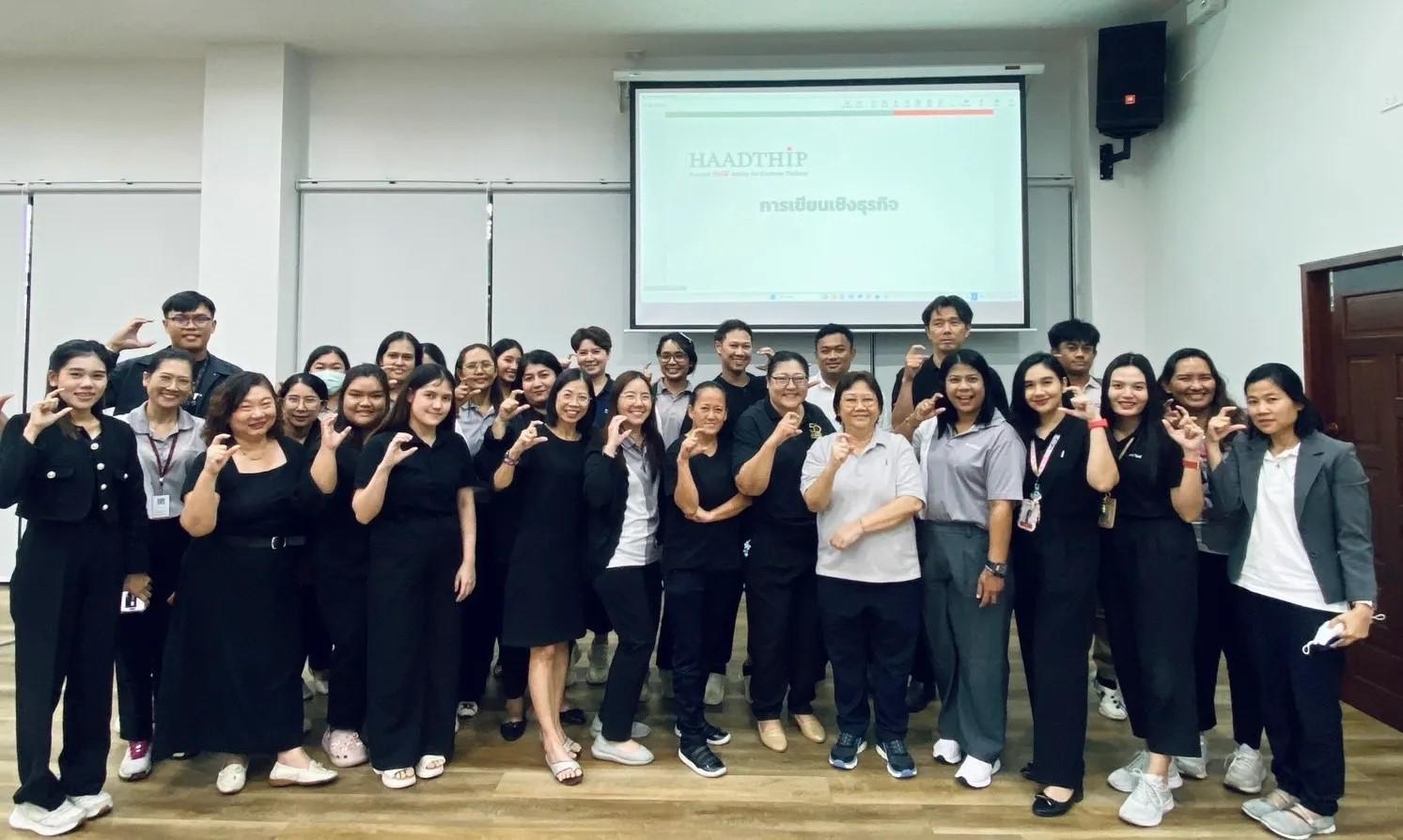
Training Data
| Metric | Current Year | Previous Year | Two Years Ago |
|---|---|---|---|
| Average employee training hours (Hours / Person / Year) | 5.63 | 5.47 | 2.4 |
| Employee development and training expenses (baht) | 7,300,000 | 7,100,000 | 7,800,000 |
Employees — Occupational Health & Safety
Introduction
HaadThip Public Company Limited is committed to complying with all relevant national and international laws and regulations by providing a safe and healthy working environment for its employees. The Company systematically eliminates hazards and reduces occupational health risks, with strong emphasis on consultation and encouraging participation from employees, partners, and contractors to cultivate a deeply rooted safety culture within the organization. Safe work practices are considered the responsibility of everyone in the Company. This policy also includes public safety, prevention of occupational diseases, and minimizing losses through regular risk assessments. In the event of an accident, the Company has a systematic investigation process, focusing on root cause analysis to identify targeted corrective measures and prevent recurrence. Investigation results are reported to the Safety Committee and used to improve work processes, control measures, or additional training as appropriate. Furthermore, the Company ensures that safety policies are broadly communicated to all stakeholders, including employees, visitors, contractors, and the public. At the operational level, HaadThip sets annual occupational health and safety targets and closely monitors performance through collaboration among all levels of management and employees. The Company also provides safety training appropriate to each job function and supports annual health check-ups to promote both physical and mental well-being. Health-related communications, such as seasonal disease information, are shared through internal channels to further support a safe and sustainable working environment aligned with international standard.
HaadThip operates its occupational health and safety efforts under the "Zero is Possible" vision, which is part of The Coca-Cola Company’s global framework aimed at achieving zero accidents and creating a safe, healthy, and sustainable working environment for employees, contractors, visitors, and all stakeholders. This approach is reflected in the development of a safety management system aligned with the international standard ISO 45001:2018, which has been integrated with other management systems including ISO 9001 (Quality Management), FSSC 22000 (Food Safety Management), and ISO 14001 (Environmental Management). This integration ensures maximum operational efficiency across all dimension’s product quality, consumer safety, and environmental impact.
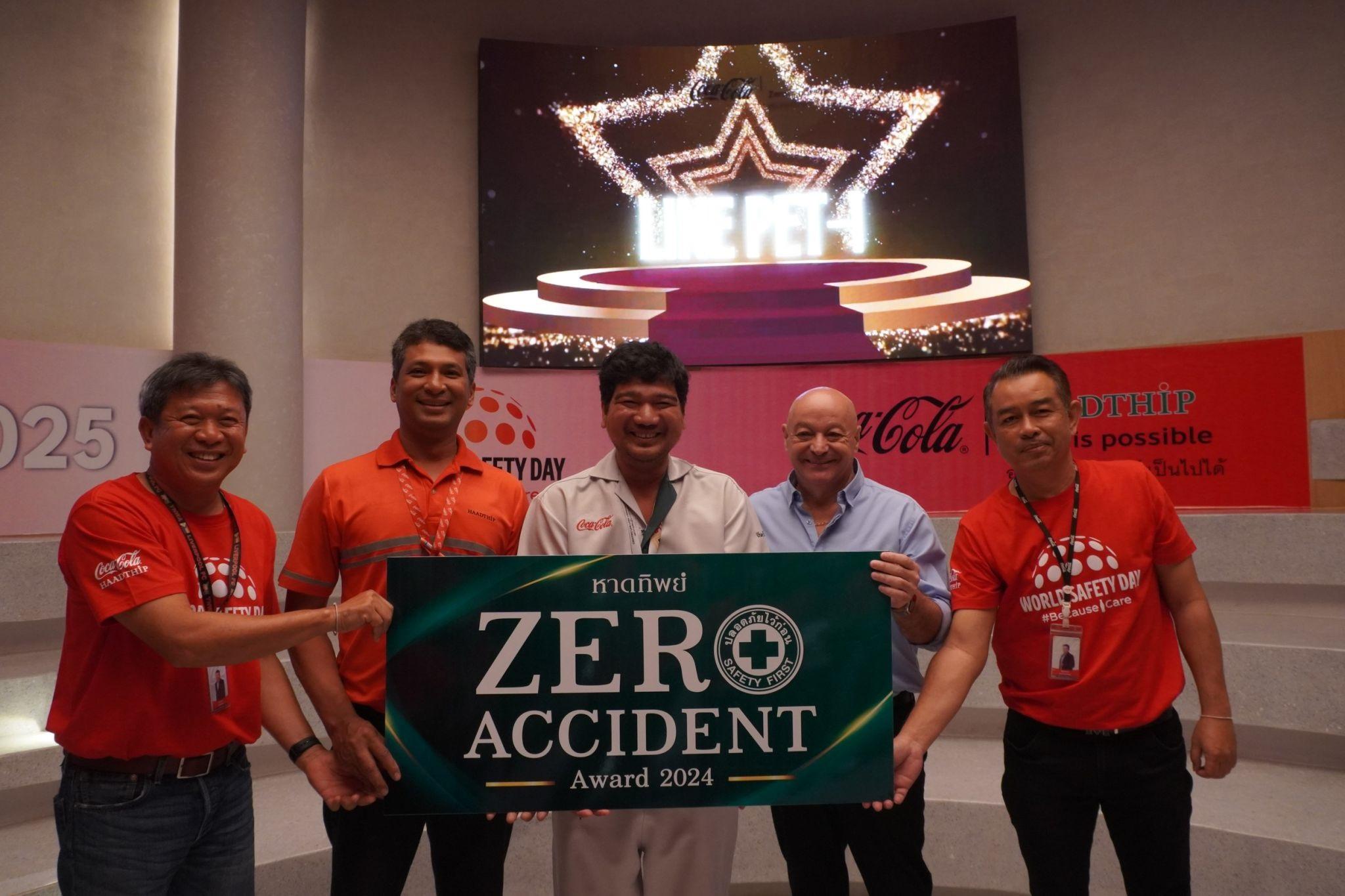
Occupational Health & Safety Data
| Metric | Current Year | Previous Year | Two Years Ago | Remark |
|---|---|---|---|---|
| Total number of lost time injury incidents by employees (Cases) | 16 | 30 | 16 | The number of occupational injury incidents resulting in employee downtime, including employees, contractors, and workers performing activities within the organization's premises. |
Employees — Labour Relations
Labour Relations — Introduction
HaadThip Public Company Limited is committed to fostering strong engagement between the organization and its employees throughout the entire employment journey, from onboarding to retirement. The Company adheres to fair management practices, respect for labor rights, promotion of equality, and encouragement of employee participation in organizational development. These principles aim to create a working environment that supports sustainable growth for both employees and the organization.
Employee Engagement Management
Provide holistic care for employees in all dimensions, including work performance, adaptation, and capability development, to support effective job performance.
Continuously enhance employee welfare in alignment with evolving lifestyles and apply technology in human resource management to improve operational efficiency.
Design appropriate career pathways based on job roles and individual potential, from initial employment through retirement preparation.
Support quality of life after retirement through financial and career education activities, career support initiatives, and the establishment of retired employee networks.
Employee Engagement Survey
Conduct regular employee engagement surveys to gather feedback on employees’ opinions, expectations, and motivations.
Analyze survey results and use them to continuously improve policies, human resource management practices, and the working environment.
Promotion of Employees’ Right to Association
Support employees’ rights to association and participation through the establishment of an Employee Welfare Committee.
Provide communication channels between employer and employees to discuss, propose, and monitor welfare-related matters in alignment with employees’ needs.
Promote transparency in management and foster positive internal relationships based on cooperation and mutual respect.
Labour Relations Data
| Metric | Current Year | Previous Year | Two Years Ago |
|---|---|---|---|
| Total voluntary resignations (Persons) | 254 | 200 | 214 |
| Male employees who voluntary resigned (Persons) | 187 | 153 | 173 |
| Female employees who voluntary resigned (Persons) | 67 | 47 | 41 |
| Percentage of employee turnover leaving the Company voluntarily (%) | 10.2 | 8.07 | 8.84 |
| Evaluation result of employee engagement | 1 | 1 | 1 |
Employees — Employee Representation
Employees Are Represented Collectively
Yes
Forms of Representation
| Form |
|---|
| Welfare committee |
Employees — Targets
Has Set Employee Targets
Yes
Targets
| Indicator | Target Areas | Base Year | Base Year — Description | Target Year | Target Year — Description |
|---|---|---|---|---|---|
| • Employee engagement level score (%) | 2985 · Description: Promoting employee relations and participation | 2,024 | • 2024: Survey result of 74% | 2,027 | • 2027: Survey result of greater than or equal to 75%
|
| • Average training hours per employee per year | 2984 · Description: Employee training and development | 2,025 | • 2025: Average training hours of 5.47 hours per person per year | 2,026 | • 2026: Average training hours of 5.63 hours per person per year |
Employees — Performance & Outcomes
Has Performance Results
Yes
Performance Description
Awards and Recognition in Labour Management and Employee Relations : In 2025, HaadThip Public Company Limited received external recognition for its ethical business conduct, respect for human rights, and systematic labor management practices. These achievements reflect the Company’s commitment to fostering a fair, transparent, and sustainable working environment.
The Thai Chamber of Commerce Business Ethics Standard Test Awards 2025 (TCC Best Award 2025) Presented by the Thai Chamber of Commerce, this award recognizes the Company as a role model organization conducting business with integrity, transparency, and strong adherence to good corporate governance principles. The recognition also highlights the Company’s commitment to promoting an organizational culture under a “Zero Tolerance” policy toward corruption and misconduct.
Human Rights Award 2025 (Large Enterprise Category Outstanding Level) Granted by the Department of Rights and Liberties Protection, Ministry of Justice, for the fifth consecutive year. This recognition reflects the integration of human rights principles into the Company’s operational processes and labor management practices in all dimensions.
Thailand Labor Management Excellence Award 2025: Received for the third consecutive year, affirming compliance with labor laws, protection of workers’ rights, and the development of standardized employee welfare systems, contributing to enhanced workplace safety, employee morale, and sustainable quality of life for employees.
Diversity and Gender Equality : The Company places importance on building an open organizational culture that respects diversity and treats all employees equally. The Company adheres to human rights principles and a non-discrimination approach in all forms, whether based on gender, race, religion, age, nationality, physical or mental condition, as well as economic and family status. To promote structural equality, the Company has announced a Diversity and Inclusion Policy and established practical implementation guidelines for business units. These cover recruitment and employment at all levels, non-discriminatory career development, respect for employees’ identity and individual rights, transparent communication of policies with both internal and external stakeholders, as well as the establishment of grievance channels, anti-harassment mechanisms, and designated functions responsible for regular monitoring and evaluation of implementation.
Retirement Care and Preparation : The Company places importance on caring for and preparing employees before and after retirement to support a smooth and quality transition to post-employment life. The Company implements pre-retirement preparation programs across multiple dimensions, including financial planning guidance to enhance post-retirement financial stability, skills training to create opportunities for career extension or supplementary income generation, and health support to promote long-term quality of life. This approach reflects the Company’s commitment to caring for employees throughout the entire employment lifecycle in a sustainable manner.
Respect for Religious Diversity and Beliefs : The Company places importance on respecting diversity, equality, and freedom of religion and belief. Employees are supported in practicing their religious observances appropriately and equally within a respectful working environment. During the year, the Company provided travel welfare support for employees of different religions, including travel to undertake pilgrimage at sacred Buddhist sites in India and Nepal, as well as support for employees traveling to perform the Hajj pilgrimage in the Kingdom of Saudi Arabia in 2025. This approach reflects the Company’s commitment to promoting equality, respect for differences, and quality of life for employees in all dimensions.
Employee Welfare and Care : The Company provides comprehensive welfare and employee care covering health, family, and quality of life to support employee well-being throughout all stages of employment. Key benefits include maternity leave for both female and male employees, newborn welcome gift sets, birthday gifts, and medical benefits. In addition, the Company aids during significant life events, such as funeral support for employees’ family members, wedding support, support for ordination or religious ceremonies, and visitation support packages for employees who are ill or hospitalized. These initiatives reflect continuous care and attention to employees in all dimensions.
Health Promotion and Employee Well-Being : The Company places importance on promoting employee health and quality of life, recognizing that modern working conditions may limit opportunities for physical activity and increase long-term health risks. The Company therefore implements programs and activities that support employees in maintaining their health appropriately and consistently within the actual working context. Implementation includes the provision of health-related welfare and facilities such as access to fitness centers and sports fields, annual health check-ups, accessible group exercise activities, as well as creative activities and sports competitions to encourage motivation and participation. The Company also supports the establishment of sports clubs and ongoing health communication to promote exercise as part of employees’ daily lifestyle.
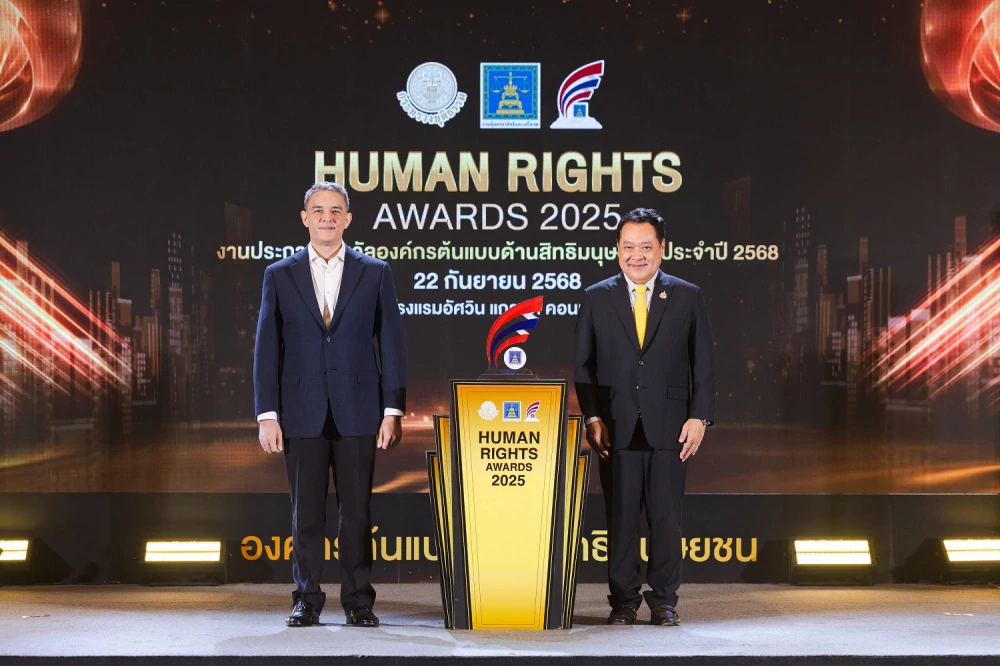
Customers — Plan & Guidelines
Has a Customer Management Plan
Yes
Plan Description
HaadThip Public Company Limited manages customer management with the aim of building trust and long-term relationships through product quality control, the continuous enhancement of service standards, and the ongoing collection of customer feedback across its operational areas in 14 provinces in Southern Thailand. The Company’s approach focuses on issues that directly influence customer experience and the long-term sustainability of the business, with key approaches comprising the following
Product Quality, Service, and Promoting Access to Better Nutrition:
The Company places strong emphasis on product quality and safety at every stage, from production, storage, and transportation to customer service. Quality control systems and regular performance monitoring are implemented to ensure that products meet established standards and respond to consumer expectations. In addition, the Company supports access to appropriate nutritional choices through the development of diverse product offerings, the provision of clear nutritional information, and communication initiatives that promote balanced and responsible consumption.
Customer Feedback and Enhancing Customer Experience:
The Company continuously gathers and monitors customer satisfaction through surveys, customer visits, and various communication channels. The information obtained is analyzed to identify areas for improvement, address root causes of issues, and systematically enhance service processes in alignment with the needs of different customer groups. This approach helps prevent recurring issues while strengthening long-term relationships with customers.
Responsible Communication and Marketing Practices:
The Company conducts communication and marketing activities based on principles of appropriateness, accuracy, and social responsibility. Communications that may cause misunderstanding or negatively affect vulnerable groups, particularly children and youth, are avoided. The Company does not conduct marketing activities targeting children under 13 years of age and does not carry out promotional activities within educational institutions. All communications regarding products and services are based on accurate, verifiable information and avoid exaggerated claims. Marketing strategies and content are regularly reviewed in coordination with The Coca-Cola (Thailand) Group and through internal review processes to ensure compliance with applicable laws, corporate policies, and industry codes of conduct.
Plan Areas
| Plan Area |
|---|
| Responsible production and services for customers |
| Communication of product and service impacts to customers/consumers |
| Development of customer satisfaction and customer relationship |
| Protection of customer personal information |
Customers — Satisfaction Results
Introduction
HaadThip Public Company Limited places strong emphasis on customer satisfaction across all distribution channels. The Company is committed to continuously improving product quality, service standards, and customer relationships to ensure that customers across all segments receive positive experience from the Company’s products and services. To effectively understand and respond to customer needs, the Company conducts customer satisfaction surveys on a regular basis. The surveys are designed to reflect the characteristics of different customer groups, including Traditional Trade outlets, which represent the Company’s core retail network, Wholesale distributors that act as product distribution hubs, department stores and Modern Trade retailers, as well as the hotel, restaurant, and cafe sector (HORECA).
Insights obtained from the surveys are analyzed and used to improve marketing strategies, supply chain management, and customer service practices to better meet the needs of each customer segment. The Company remains committed to continuously enhancing product quality and customer experience in order to strengthen long-term relationships and maintain customer trust.
Customer Satisfaction Results
| Metric | Current Year | Previous Year | Two Years Ago |
|---|---|---|---|
| Evaluation results of customer satisfaction | 1 | 1 | 1 |
Customers — Targets
Has Set Customer Targets
No
Customers — Performance & Outcomes
Introduction
The Company focuses on strengthening customer relationships by leveraging insights from customer satisfaction surveys, store visits, employee performance quality checks, and complaint management through a structured tracking system. These processes enable the Company to gain a clearer understanding of customer behavior and needs.
The information gathered is analyzed to improve service processes, enhance the capabilities of sales personnel, and increase the efficiency of customer management. As a result, service delivery has become more responsive, customer complaints have been reduced, and the Company is better able to meet customer needs in a more effective manner.
Has Performance Results
Yes
Performance Description
Promoting Access to Better Nutrition
With the increasing health awareness among consumers, HaadThip recognizes the role of the organization in supporting healthier consumption behaviors. The Company therefore focuses on developing beverage alternatives that provide refreshment alongside nutritional value, with emphasis placed on product formulation, accessibility for consumers, and transparent communication of nutritional information that is easy to understand.
Expansion of Zero Sugar and Healthier Product Options
HaadThip’s key strategies is to continuously increase the proportion of revenue generated from sugar-free product categories. The Company has implemented proactive initiatives through several approaches, including:
Developing beverage formulations that reduce sugar content while maintaining the taste preferred by consumers.
Expanding Zero Sugar product options to meet the needs of consumers across different age groups.
Selecting ingredients that align with internationally recognized nutritional principles to promote consumer safety and health.
Setting accessible pricing to encourage consumers to more easily choose healthier beverage alternatives.
Customer Satisfaction Survey
The Company conducts customer surveys regarding product quality, service performance, and product delivery processes. The insights obtained are analyzed to improve service performance and better align services with customer needs. This approach enhances operational efficiency, addresses potential weaknesses in operations, and strengthens long-term customer satisfaction. In 2024, the Company did not identify any dimension that customers indicated required improvement.
Customer Feedback Management
The Company has established a Customer Information Center (CIC) as the primary channel for receiving customer feedback and concerns, enabling prompt issue resolution and systematic follow-up. Insights obtained from this process are used to improve operational procedures and reduce the recurrence of issues. This structured feedback management approach enhances the Company’s responsiveness to customer needs, minimizes repeated issues, and strengthens long-term customer confidence.
Community & Social — Plan & Guidelines
Has a Community & Social Plan
Yes
Plan Description
HaadThip Public Company Limited is committed to achieving sustainable growth alongside the strengthening of communities under the “Homeland Uplifting” framework, which defines three core social pillars: social cohesion, community development, and crisis response and community resilience. These pillars aim to enhance quality of life, foster unity, and strengthen the resilience of communities in the areas where the company operates.
Our community initiatives are driven by the creating shared value approach, integrating community development into the Company’s value chain to generate benefits for both society and the long-term sustainability of the organization. The Company focuses on supporting access to essential resources for livelihoods, developing skills and capabilities of community members, and building systematic partnerships with government agencies, private sector entities, and civil society organizations. Social investments and stakeholder engagement prioritize communities directly or indirectly affected by business operations, including residents and community leaders, vulnerable groups with limited access to social opportunities, educational institutions, public health agencies and networks, community-based and civil society organizations, as well as public and private development partners. The Company also emphasizes listening to community needs and concerns at the local level to ensure that projects are context-appropriate and deliver sustainable positive impacts.
Plan Areas
| Plan Area |
|---|
| Employment and professional skill development |
| Education |
| Disadvantaged and vulnerable groups |
| Water and sanitation management |
| Reducing inequality and promoting social equality |
Community & Social — Targets
Introduction
HaadThip Public Company Limited establishes its community and social management targets with priority given to the southern region, which represents the company’s core area of operations. This includes communities surrounding its facilities and areas related to the Company’s operations, under three key social pillars: social cohesion, community development, and crisis response and community resilience.
The Company sets measurable community and social targets and implements continuous monitoring and evaluation mechanisms to ensure that performance outcomes are verifiable and reflect operational effectiveness. The Company upholds transparency, accuracy in communication, and avoids actions that may lead to misunderstanding or greenwashing, in order to build long-term trust and shared value with society.
Has Set Community & Social Targets
Yes
Targets
| Indicator | Target Areas | Base Year | Base Year — Description | Target Year | Target Year — Description |
|---|---|---|---|---|---|
| • Cumulative number of community members receiving vocational skills development and education support exceeding 35,000 people by 2030 • Cumulative number of households benefiting from water management initiatives exceeding 15,000 households by 2030 | 3036 · Description: Employment and professional skill development · 3045 · Other name: Promoting access to clean water and adequate sanitation · Description: Others | 2,018 | • 2025: Commenced cumulative counting of beneficiaries from vocational skills development and education initiatives.
• 2018: Commenced cumulative counting of beneficiaries from water management initiatives | 2,030 | • Cumulative number of community members receiving vocational skills development and education support exceeding 35,000 people by 2030
• Cumulative number of households benefiting from water management initiatives exceeding 15,000 households by 2030 |
Community & Social — Performance & Outcomes
Has Performance Results
Yes
Performance Description
Social Cohesion
"Ruamjai Rao Yoo" (United We Stand) Activity : HaadThip has designated November 12 of every year as "Ruam Jai Rao Yoo" Day, in remembrance of the birthday of Sec. Lt. Phairoch Rattakul, former Managing Director and the initiator of employee-driven social contribution activities. This day embodies HaadThip’s values of social and environmental responsibility and reflects the Company’s deep-rooted commitment to the communities of Southern Thailand. The initiative provides an opportunity for executives and employees across all operational bases to participate simultaneously in community service activities. In the most recent year, the program was organized for the 30th consecutive year, covering all 14 southern provinces and Nonthaburi for the Bangkok office. Key activities included improving landscapes at schools, temples, and public areas; repairing buildings and educational equipment; providing meals for hospital patients and their families; conducting beach clean-up campaigns; tree planting; and releasing aquatic species to help restore local ecosystems. These activities aim to strengthen community relationships while promoting environmental stewardship. In addition, 186 employees participated in blood donation activities, contributing approximately 65,700 cc of blood in collaboration with the Thai Red Cross Society and local hospitals. This reflects employees’ active engagement in supporting the public healthcare system and reinforcing a culture of volunteerism within the organization.
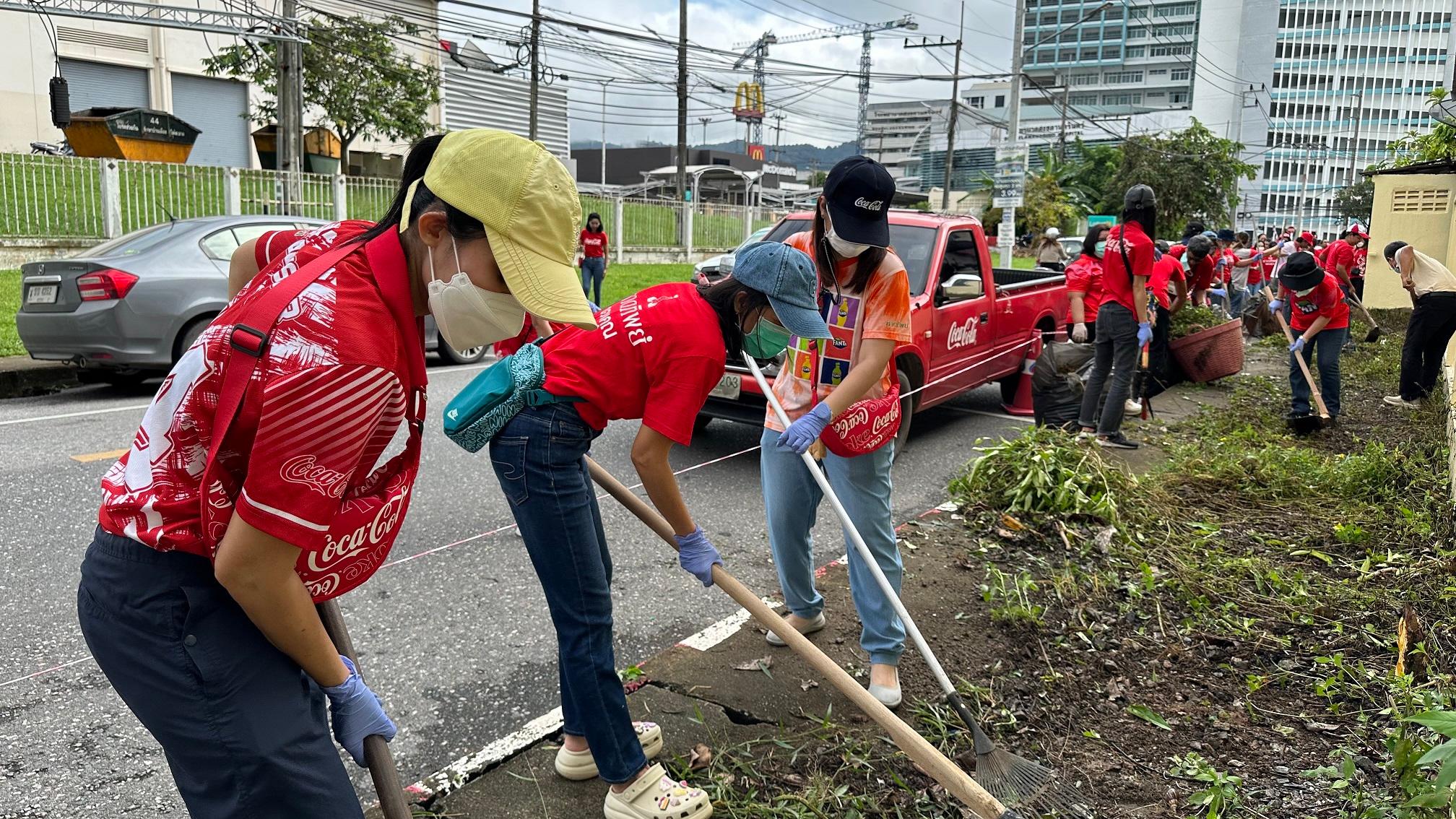
"1 Year 1 School" Project : On the occasion of the Company’s 56th anniversary, to support the development of health and safety infrastructure for children and youth in southern communities under the concept of creating sustainable shared value for society. In 2025, HaadThip supported the development of a hygienic school canteen at Somdetchaophako, Sathing Phra District, Songkhla Province. The canteen was renovated to ensure cleanliness and safety in accordance with food sanitation principles. Improvements included redesigning the space to reduce accident risks, installing adequate handwashing stations and water systems, upgrading the kitchen area, and improving tables and chairs to suit students’ usage.
Medical Equipment Support to Restore Community Health System Capacity : Following the severe flooding situation during 2024–2025, Nong Chik Hospital in Pattani Province, the primary healthcare provider for the community, suffered damage to buildings, utilities, and medical equipment. This reduced its medical service capacity, particularly in physical therapy services and medical equipment safety control systems within the central supply unit. The Company therefore implemented a project to support the restoration of healthcare service capacity by procuring necessary medical equipment to enhance readiness for efficient and timely patient care, while upgrading safety standards and infection control systems. Key equipment included a combined ultrasound machine for the physical therapy unit and a spore tester machine for the central supply unit.
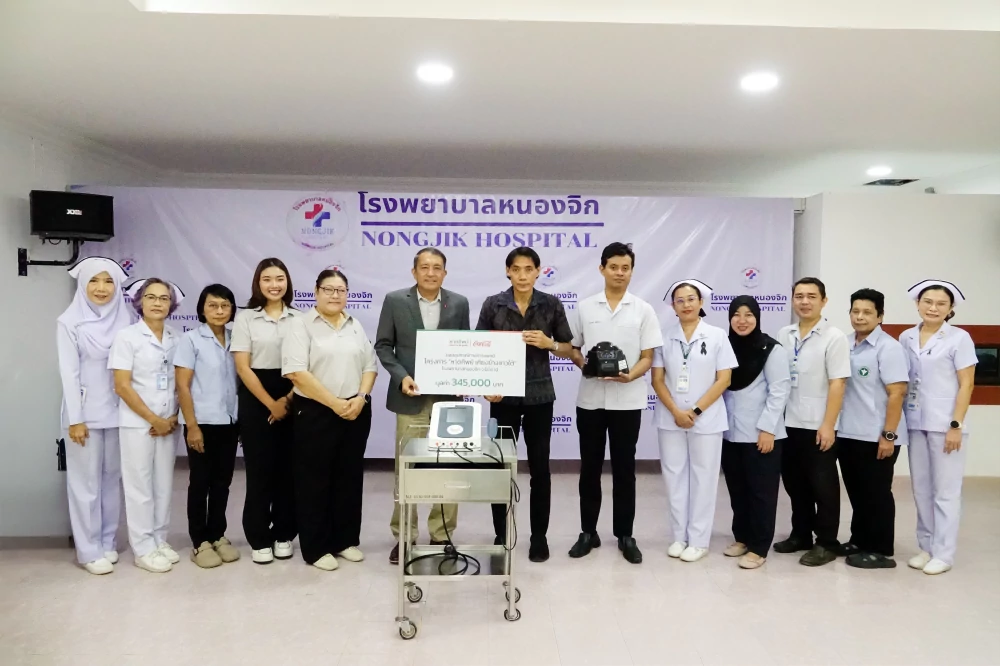
HaadThip Volunteer Year 3 : The Company promoted volunteerism and stakeholder participation through waste collection and sorting activities across public areas in 17 branches. A total of 296 employees participated, together with 100 partner organizations from government agencies, private sector entities, trade partners, and customer groups, resulting in 1,029 participants in total. The activity aimed to raise awareness of waste management at the source, improve community landscapes, and ensure proper waste management processes to reduce environmental impacts, while strengthening relationships with communities and local partners. In 2025, a total of 1,639.60 kilograms of waste was collected and properly managed, of which 724.40 kilograms were packaging waste.
Coca-Cola Recycle Me 2025 with Trash Lucky : HaadThip supported the campaign to promote recyclable waste separation in collaboration with Coca-Cola (Thailand) Limited and Trash Lucky Company Limited, encouraging consumers to separate recyclable materials from general waste. The initiative expanded partnerships with recycling partners and leading retail outlets across more than 80 collection points covering central and southern regions. In the southern region, recycling collection points were expanded from Phuket and Songkhla Provinces to Surat Thani Province. The Company served as the regional coordinator in the southern area to support access to collection points and continuously increase community participation.
"Rak Nam" Project : The Company, in collaboration with the Coca-Cola Thailand Foundation, implemented the "Rak Nam" project at Village No. 11, Ban Wang Tham, Nam Hak Subdistrict, Khiri Rat Nikhom District, Surat Thani Province, with HaadThip’s employee volunteers taking part in on-site activities. The project aimed to improve community water management systems, increase access to clean water, reduce household expenses, and promote environmentally friendly solutions through the application of renewable energy technologies. It also sought to strengthen long-term water security for the community. The Company directly supported the expansion of the village water pipeline system to households, enabling broader and more convenient access to water. As a result, household-level water security has improved, alongside continuous promotion of community participation in the sustainable management of local water resources.
Community Development
The Company implements community development initiatives under a framework aimed at reducing inequality and enhancing skills alongside creating opportunities for people in local areas, in order to prepare them for further education and future employment. The Company emphasizes creating "accessible opportunities" by supporting resources, knowledge, and platforms for individuals to demonstrate their potential. In 2025, a total of 5,081 beneficiaries were supported, consistent with the Company’s approach of strengthening community capacity alongside business growth in its operating areas, through four main forms of implementation as follows;
Organizing development and opportunity-creating activities, such as competitions or capability development programs that provide participants with platforms to present their work, exchange experiences, and further develop their abilities through structured activities.
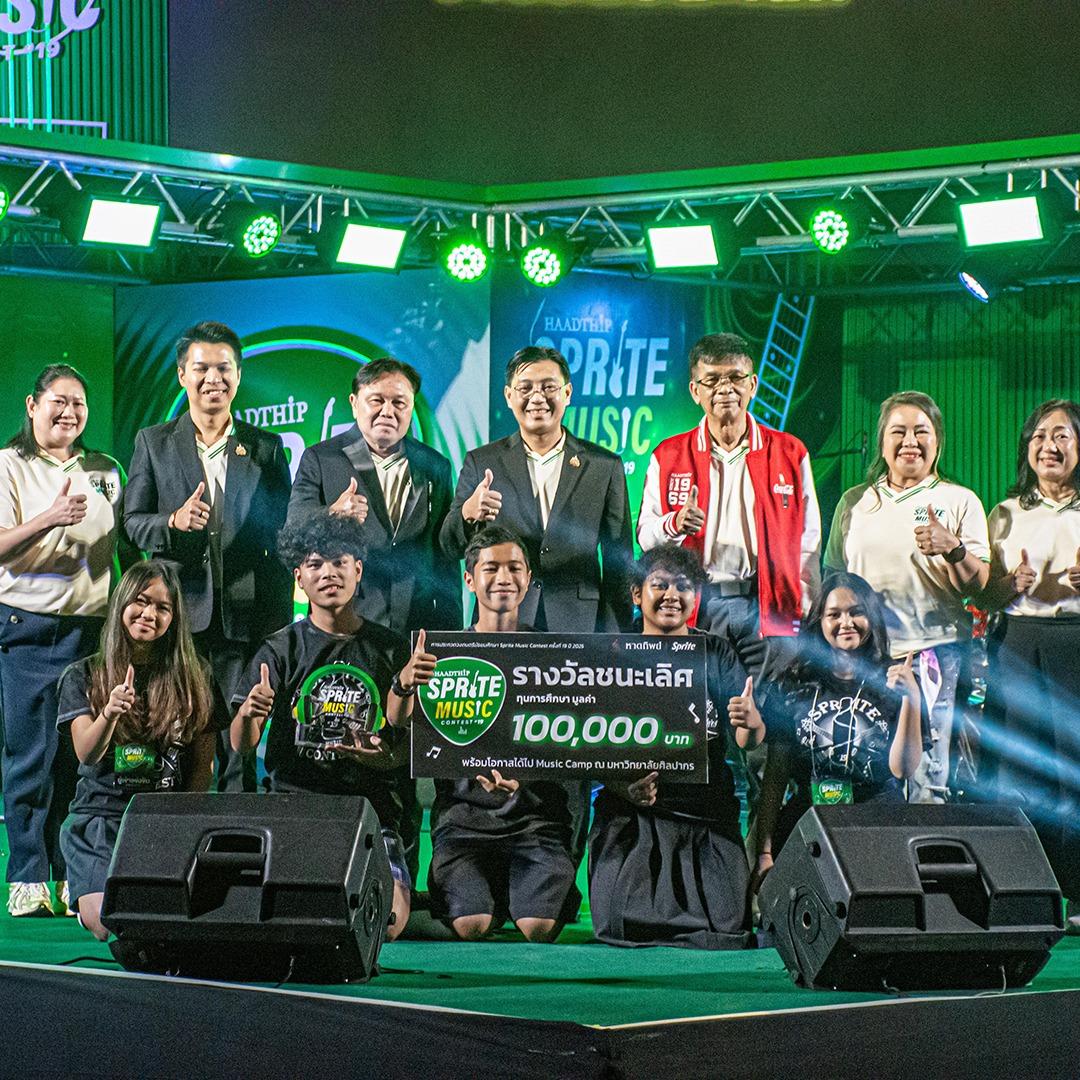
Providing financial support and scholarships to reduce financial constraints, enhance equitable access to education, and support long-term human capital development.
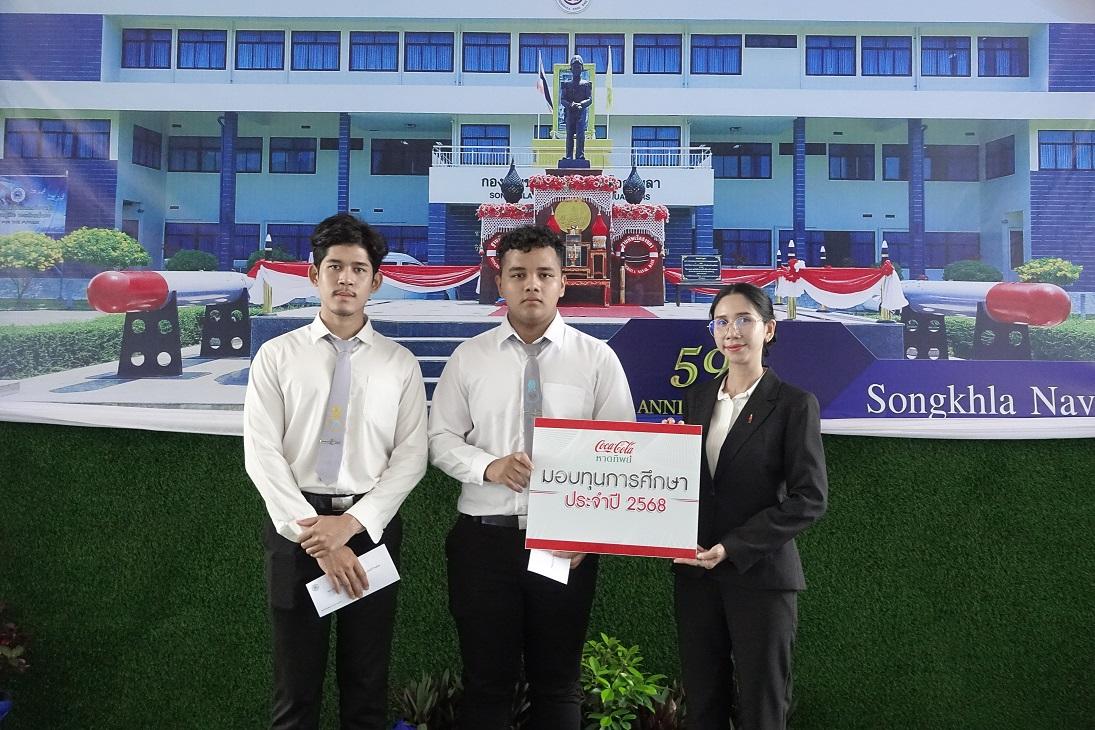
Collaborating with external organizations, such as government agencies responsible for human resource development, educational institutions, and local partners, to improve access to target groups, enhance the quality of activities, and strengthen the continuity of outcomes.
Providing experiential opportunities, such as internship programs and work-based learning activities, to enhance skills demanded by the labor market and increase readiness prior to entering employment.
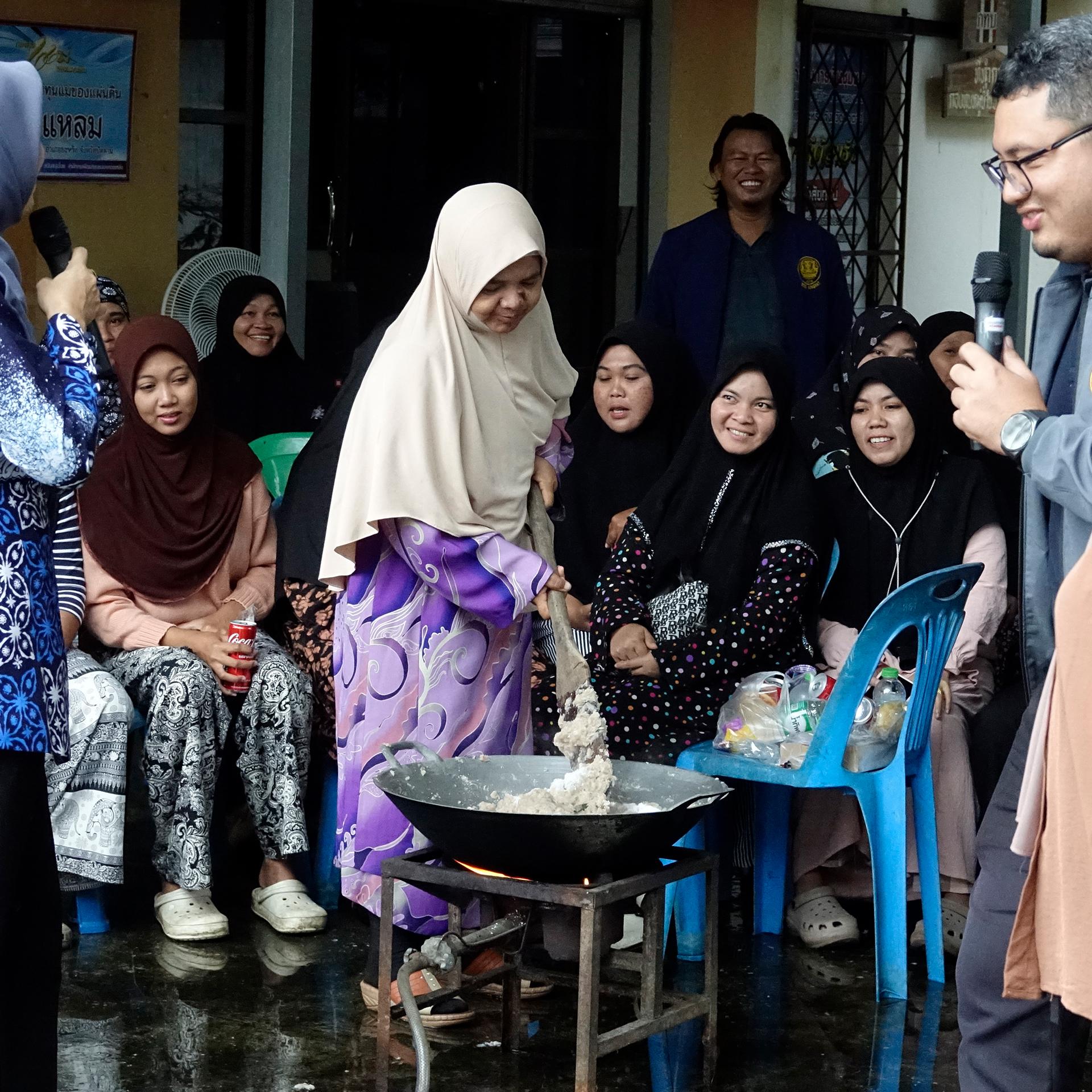
Crisis Response & Community Resilience
Disaster Relief and Community Rehabilitation : Amid heavy rainfall and flooding across several southern provinces, particularly in Hat Yai District, Songkhla Province, where flooding reached high levels across wide areas. In response, the company established a Crisis Response Team (CRT) at its Hat Yai Plant to manage the situation in accordance with its Business Continuity Plan (BCP). Although the office premises were not directly affected by flooding, employees, their families, and our customers in the area were widely affected. The Company therefore implemented both relief and recovery measures, leveraging the readiness of its distribution network to support assistance operations for affected communities. In parallel with coordination with partners and suppliers to urgently procure essential items and prepare relief bags for distribution to impacted communities. Our employees also volunteered to help prepare relief packages and support coordination efforts to ensure timely delivery of assistance to affected areas. In addition, the Company converted its Hat Yai Plant into a temporary shelter to accommodate affected individuals, supported the establishment of a field hospital to provide initial medical care, and set up a community kitchen providing food support operation to alleviate hardship during the emergency period. Assistance was designed to cover access to essential necessities, healthcare support, and post-flood recovery, enabling communities to return to normal conditions as quickly as possible.
Type of Support Provided
Performance Results
Volume of water supplied for cleaning houses
458,000 liters
Drinking water distributed
342,780 bottles
Beverages distributed
43,020 bottles
Meal boxes supported
42,303 boxes
Relief bags distributed
9,667 bags
Number of people treated through the field hospital
1,178 persons
Number of people provided with temporary shelter assistance
484 persons
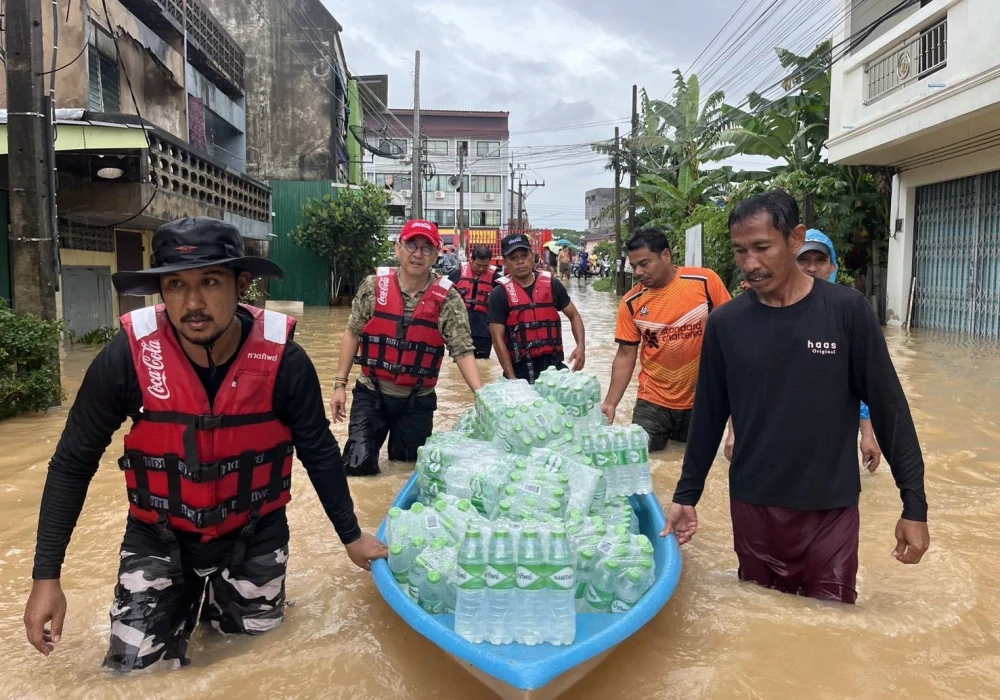
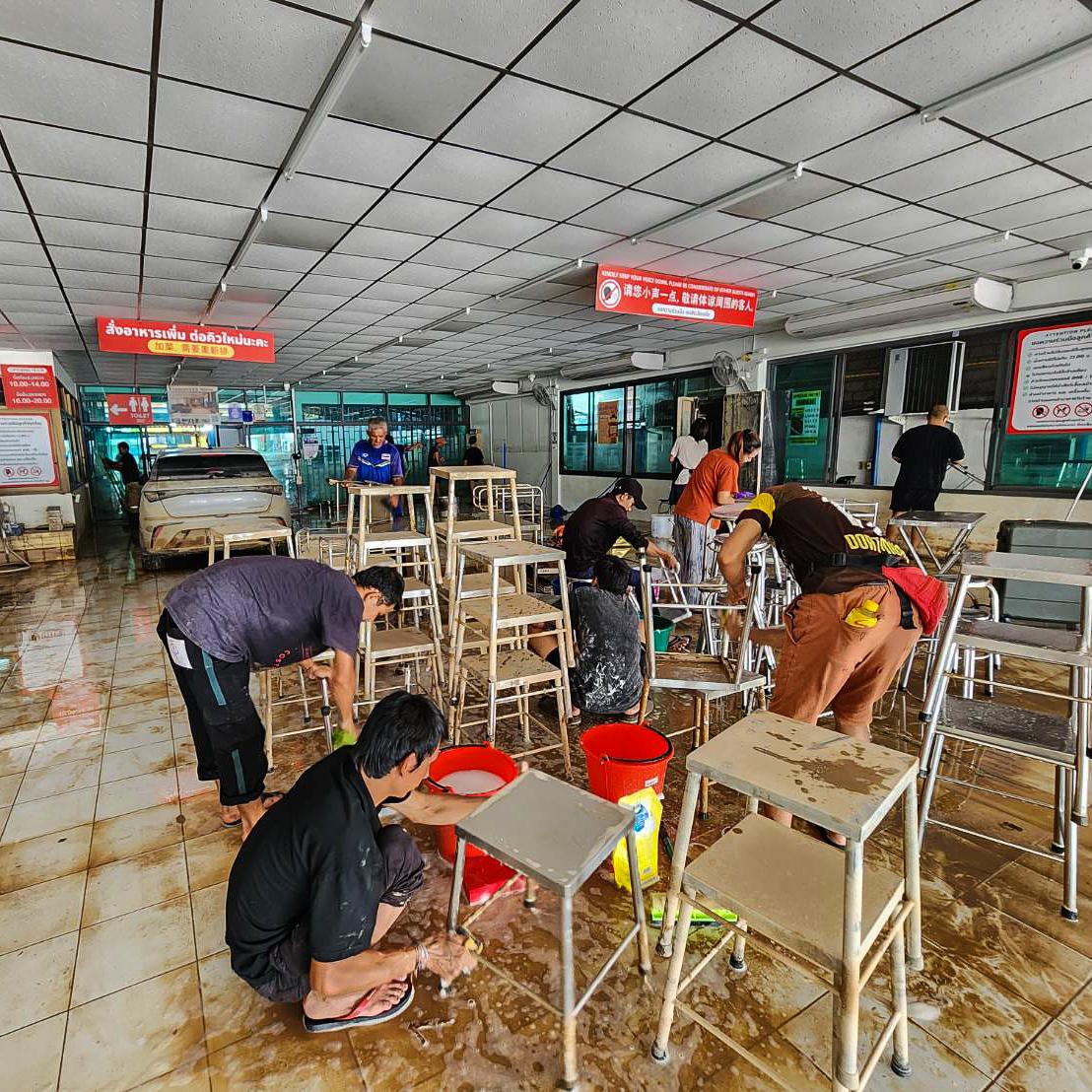
Community Flood Resilience Initiative : In 2025, the Company supported community preparedness prior to disaster events through knowledge management on flood management using a community-based approach, in collaboration with the Southern Natural Disaster Research Center, Prince of Songkhla University, and local network partners. The project aimed at developing 45 disaster management volunteers from Srisakorn Subdistrict to strengthen systematic preparedness and response to flooding through participatory processes involving the community and local administrative organizations.
Key activities included community briefings and information exchange on local flood situations, knowledge transfer and hands-on training workshops on disaster management, risk mapping, first aid training, communication and coordination procedures, as well as simulation exercises for emergency response planning. The project also established a subdistrict-level volunteer structure to lay the foundation for a sustainable community flood management system equipped with adequate personnel, data, and operational processes.
As a result, the Community demonstrated increased knowledge, understanding, and awareness of flood risks. Community members were able to utilize spatial data, risk maps, and emergency response plans to prepare for, respond to, and coordinate effectively during actual incidents. This contributed to reducing potential loss of life and property, strengthening the community’s capacity to manage disasters independently, and developing a model network that can be replicated in neighboring provinces to enhance long-term resilience and adaptation to climate change-related disasters.
Law Violation Incidents
Law Violation Incidents
| Metric | Current Year | Previous Year | Two Years Ago |
|---|---|---|---|
| The total number of cases or incidents of significant violations of laws or regulations regarding social and human rights (Cases) | 0 | 0 | 0 |
| The total number of cases or incidents that cause significant labor disputes (Cases) | 0 | 0 | 0 |
| The total number of cases or complaints related to consumer rights violations (Cases) | 0 | 0 | 0 |
| The total number of cases or complaints related to partner rights violations (Cases) | 0 | 0 | 0 |
| The total number of cases or incidents that cause disputes with the community/society (Cases) | 0 | 0 | 0 |
| The total number of cases or incidents related to cyber security or customer data breaches (Cases) | 0 | 0 | 0 |
| The total number of cases or incidents related to safety and occupational health at work (Cases) | 0 | 0 | 0 |